Allicin vs Ethylicin in Agriculture: Key Differences in Mechanism and Performance
With the growing demand for low-residue and eco-friendly crop protection solutions, natural sulfur-containing antimicrobial compounds have gained significant attention in biopesticide development.
For pesticide manufacturers and distributors, understanding the differences between these two compounds is critical for selecting the right raw material for formulation development and market positioning.
What Is Allicin in Agriculture?
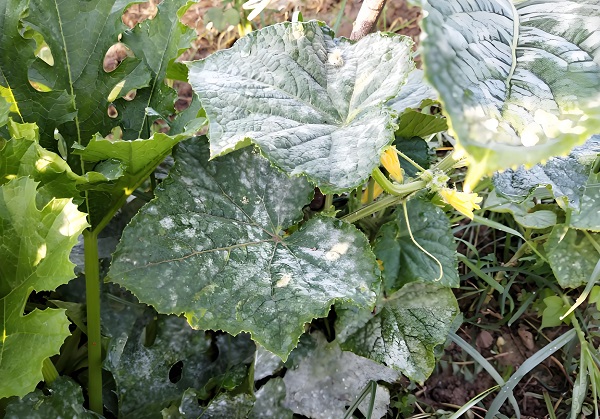
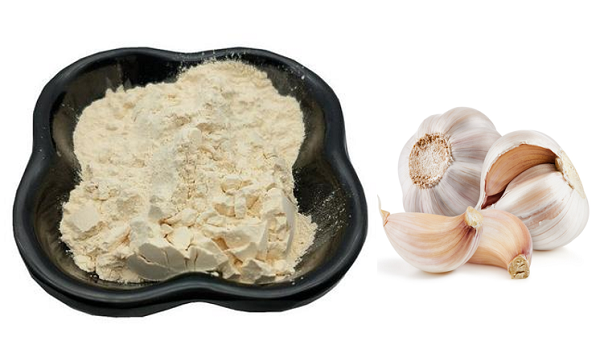
Allicin is a biologically active sulfur compound derived from garlic (Allium sativum). It is known for its antimicrobial activity and broad-spectrum inhibition against:
- Fungal pathogens (e.g., powdery mildew, anthracnose)
- Bacterial diseases in crops
- Soil-borne pathogens
What Is Ethylicin in Agriculture?
Ethylicin is a synthetic sulfur-based antimicrobial agent developed to improve stability and field persistence compared to allicin.
It is commonly used in:
- Crop disease control formulations
- Fungicide and bactericide blends
Allicin vs Ethylicin: Full Technical Comparison
| Comparison Dimension | Allicin | Ethylicin |
|---|---|---|
| Source (Origin) | Natural bioactive compound extracted from garlic (Allium sativum), plant-derived antimicrobial agent | Synthetic pesticide analog derived from allicin structure, belongs to allicin homologs |
| Chemical Composition | Allicin is extracted from garlic bulbs; the extract contains not only allicin but also various other bactericidal substances, offering multiple mechanisms of action that make the development of drug resistance unlikely. | Single active synthetic compound; relatively simple and stable molecular structure |
| Safety Profile | Neutral to mild; generally safe for crops, suitable for greenhouse and early-stage use; compatible with integrated pest management (IPM) | Stronger chemical reactivity; requires controlled application, especially in sensitive crop stages |
| Mechanism of Action | Induces rapid oxidation and disrupts pathogen enzyme systems, leading to multi-target microbial inhibition and cell death | Combines with thiol-containing groups in microbial proteins, blocking metabolism and inhibiting secondary metabolic pathways |
| Duration / Persistence | Short to medium persistence; highly active but degrades quickly under heat, light, and oxidation | Faster onset with significantly stronger residual control effect; 24-hour rapid action with longer field persistence |
| Odor / Sensory Profile | Natural garlic-like odor, relatively mild and acceptable in agricultural use environments | Strong irritating and sulfur-like odor; more pungent and noticeable during application |
Antimicrobial Spectrum Differences
Both compounds show activity against major plant pathogens, but performance differs in real-world conditions:
- Allicin
- Strong against surface pathogens
- Rapid pathogen suppression
- Ethylicin
- Better systemic protection
- More effective in humid and high-pressure disease environments
Stability and Formulation Performance
For pesticide manufacturers, stability is often the deciding factor.
- Allicin:
- Highly unstable under heat, oxygen, and light
- Requires encapsulation or stabilizers
- Short shelf life in liquid formulations
- Ethylicin:
- Chemically stable in standard storage conditions
- Easier integration into emulsifiable concentrates and suspensions
- Better compatibility with other agrochemicals
Field Application Performance
In real agricultural environments:
- Allicin performs best in:
- Greenhouse crops
- Short-cycle vegetables
- Early-stage infection control
- Ethylicin performs best in:
- Field crops (rice, wheat, corn)
- High humidity disease pressure areas
- Long-lasting disease prevention programs
Safety, Environmental Impact, and Residue Considerations
Allicin is considered more eco-friendly and biodegradable. It breaks down into natural sulfur compounds.
Ethylicin also has relatively low residue risk compared to traditional fungicides, but it is synthetic.
From a regulatory and export perspective:
- Allicin is preferred in organic or natural positioning markets
- Ethylicin is widely accepted in conventional agriculture systems
Both compounds have lower environmental load compared to many traditional chemical fungicides.
Conclusion
The comparison of allicin vs ethylicin in agriculture shows that both have strong value, but in different ways.
Allicin is natural and unlikely to induce drug resistance, but it has poor stability.
Ethylicin offers good stability and ease of use, but it is prone to inducing drug resistance and is unsuitable for organic agriculture.
At Green Agri, we support global partners with Allicin 5% HPLC off-white powder and technical formulation guidance. Our goal is to help manufacturers develop effective and market-ready crop protection solutions.
If you are looking for a reliable bulk allicin supplier or botanical pesticide materials manufacturer, contact us today
Related allicin sources
What Is Allicin Good For
Does Garlic Extract Good for Agricultural Crops
Case Study: Allicin in Organic Pest Control Solutions