Allicin for Soil-Borne Pathogens: Controlling Fusarium and Root-Knot Nematodes Naturally
Modern agriculture faces a growing challenge: protecting crops while reducing chemical inputs. Soil-borne pathogens can survive for years and cause serious yield losses. Farmers often struggle with diseases caused by Fusarium species and root-knot nematodes.
Traditional soil treatments may provide quick results. However, concerns about chemical residues, resistance, and environmental impact continue to increase. This demand has encouraged researchers and agricultural companies to explore natural solutions.
Allicin, a sulfur-containing compound from garlic, has gained attention as a promising botanical ingredient. Its antimicrobial and nematicidal properties make it valuable for sustainable crop protection programs.
For manufacturers and distributors, high-quality allicin powder offers new opportunities in biological pesticide formulations, soil treatments, and integrated pest management (IPM) products.
The Growing Need for Eco-Friendly Soil Treatments in Modern Agriculture
Soil health plays a key role in crop productivity. Healthy soil supports stronger roots, better nutrient absorption, and improved plant growth. However, soil-borne pathogens can quickly damage this balance.
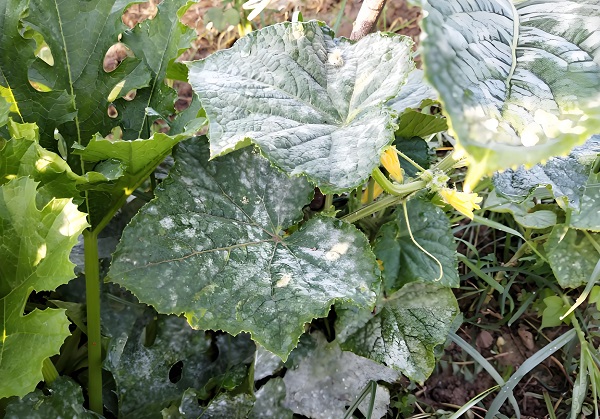
Fusarium species are among the most common fungal pathogens in agriculture. They can cause root rot, wilt diseases, and vascular damage in many crops. Crops such as tomatoes, cucumbers, peppers, and cereals are highly affected.
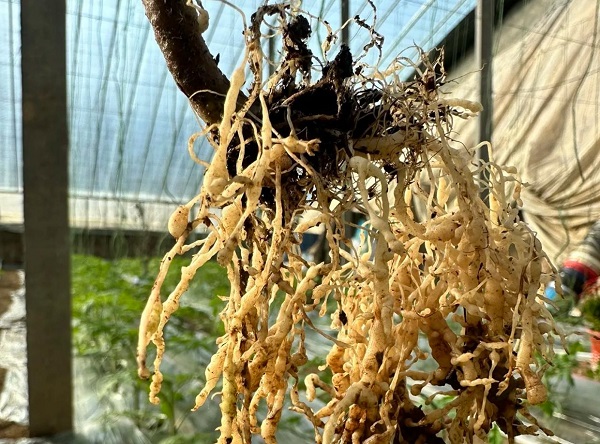
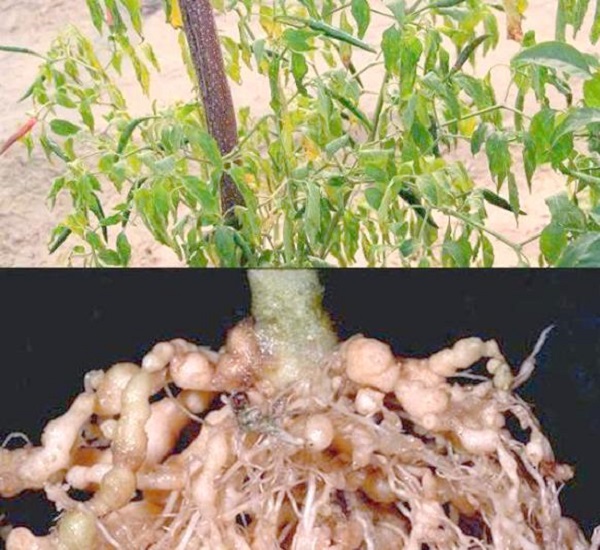
Root-knot nematodes from the Meloidogyne genus create another major challenge. These microscopic pests attack plant roots and form root galls. These galls reduce water and nutrient uptake, causing poor plant development.
Chemical fumigants have traditionally controlled these problems. However, many growers now seek safer alternatives. Organic farming and sustainable agriculture programs require effective botanical solutions.
Allicin provides a natural approach by targeting harmful organisms while supporting environmentally friendly farming systems.
Allicin as a Bio-Fumigant: The Chemistry Behind Its Antimicrobial Power
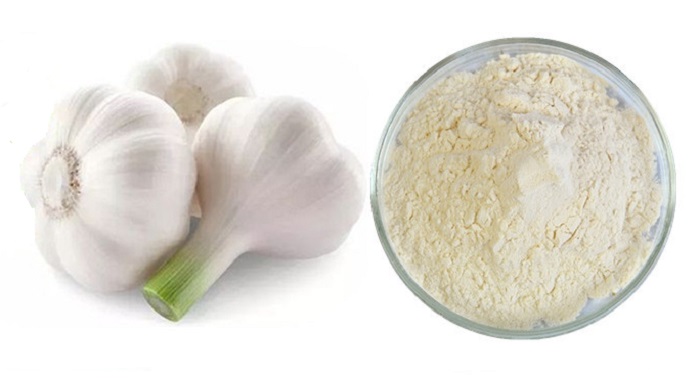
Allicin is the main active compound produced when garlic tissues are damaged. The enzyme alliinase converts alliin into allicin after crushing or processing garlic.
This compound contains reactive sulfur groups. These sulfur groups interact with proteins, enzymes, and cellular structures of microorganisms.
Allicin moves easily through soil pores to target pathogens. It penetrates cell walls and disrupts vital metabolic processes. Pathogens struggle to develop resistance against its multi-target chemistry.
Dual-Action Defense: How Allicin Inhibits Fusarium Spore Germination
Fusarium control remains one of the most important goals in soil disease management. Allicin shows potential against Fusarium through several mechanisms.
Allicin reacts directly with essential SH-groups in fungal enzymes. This reaction stops Fusarium spore germination almost instantly.
It also damages fungal cell membranes, causing cell leakage. Tests show allicin reduces fungal hyphae growth significantly. Crop roots stay healthy and clear of fungal infection.
Nematicidal Efficacy: Disrupting Root-Knot Nematode (Meloidogyne spp.) Life Cycles
Root-knot nematodes are difficult pests because they live below the soil surface. Their hidden lifestyle makes early detection challenging.
Root-knot nematodes attack root systems and reduce nutrient uptake. Allicin targets these pests at every life stage. It inhibits egg hatching in the soil effectively.
Second-stage juveniles lose mobility quickly after contact with allicin. The compound interferes with nematode nervous and respiratory systems. This multi-stage suppression keeps root systems strong and clean.
Overcoming In-Soil Degradation: Stability Insights from the Manufacturing Lab
Soil applications create unique challenges for allicin stability. Allicin powder is highly active, but it is also sensitive to environmental factors.
Temperature, moisture, pH, and microbial activity can influence allicin performance. Without proper formulation, the active compound may degrade before reaching target pathogens.
For allicin manufacturers, production technology becomes critical. Advanced extraction and purification methods help protect allicin activity during processing.
Quality control starts with raw material selection. Garlic sources, extraction conditions, and storage methods can influence final allicin content.
Synergy in the Rhizosphere: Combining Allicin with Microbials and Bio-Stimulants
Allicin integrates well with modern integrated pest management strategies. Pesticide formulators often combine allicin with beneficial soil microbes like Bacillus.
| Partner Input | Biological Role | Combination Benefit |
| Allicin | Rapid Pathogen Knockdown | Clears root space instantly |
| Bacillus spp. | Beneficial Colonization | Builds long-term defense |
| Humic Acid | Root Growth Stimulation | Accelerates root recovery |
Commercial Application Protocols: Drenching, Chemigation, and Soil Drenching
Allicin-based products can be used through different agricultural application methods. The best approach depends on crop type, soil condition, and formulation design.
- Soil drenching is one common method. Farmers apply the solution directly around plant roots. This method delivers active ingredients into the rhizosphere.
- Chemigation allows growers to apply allicin through irrigation systems. This approach improves coverage across large cultivation areas.
- Root dipping is another possible application before transplanting. It helps protect young plants during early growth stages.
Garlic extract has shown potential against root-knot nematodes and plant pathogens in laboratory and greenhouse studies. Research on tomato systems reported inhibitory effects against Meloidogyne incognita and fungal pathogens.
For distributors and agricultural brands, application guidance improves customer success. Technical support can also increase product value in competitive markets.
Quality Matters: Assay Standards, Purity Control, and Batch-to-Batch Consistency
You buyers need reliable ingredient quality for large-scale production. Variable active content ruins product performance in the field.
Allicin content is one of the most important quality indicators. A higher and more stable assay value helps ensure reliable biological activity.
Professional allicin suppliers should provide:
- Allicin assay testing results
- Certificate of Analysis (COA)
- Microbial testing reports
- Heavy metal analysis
- Stability information
- Product specifications
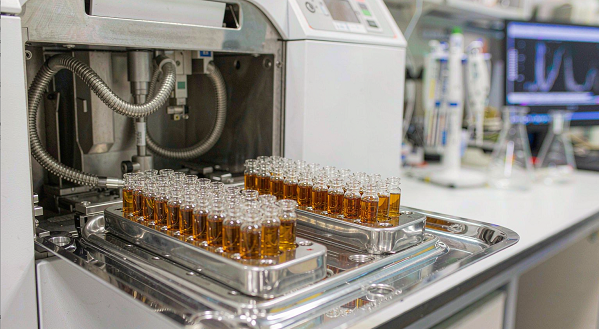
Analytical methods such as HPLC help confirm active compound levels. These tests support consistent production between different batches.
Raw material traceability also matters. Reliable sourcing reduces variation in garlic quality and extraction performance.
Partnering with Green Agri Bio: Bulk Allicin Solutions for You Formulation
The demand for botanical crop protection products continues to grow worldwide. Farmers and agricultural companies are searching for effective natural alternatives.
Allicin offers valuable potential for soil treatment products, biological pesticides, and integrated pest management programs.
Green Agri manufactures premium bulk allicin for agricultural brands. We provide stable powder raw materials for your team.
Contact us today to request samples and wholesale pricing for your next project!
References
Slusarenko, A. J., et al. The Agricultural Utility of Allicin from Garlic. Phytopathology Journal.
Curtis, H., et al. Broad-Spectrum Antimicrobial Activity of Allicin Against Soil Pathogens. Physiological and Molecular Plant Pathology.
An, H., et al. Inhibitory Effects of Garlic Extracts on Fusarium Oxysporum. Journal of Agricultural and Food Chemistry.
Gupta, R., & Sharma, P. Nematicidal Efficacy of Organosulfur Compounds Against Meloidogyne Incognita. Nematology Research Letters.
Abo-Elyousr, K. A., et al. Evaluation of Botanical Extracts for Controlling Root-Knot Nematodes in Vegetables. European Journal of Plant Pathology.