How High-Grade Natural Veratrine TC Enhances Synergistic Effects in Mixed Pesticides
The global agricultural industry is facing a complex challenge: pests are becoming increasingly resistant to conventional chemical insecticides while consumers, regulators, and food manufacturers are demanding safer and more sustainable crop protection solutions.
For decades, synthetic insecticides have played a critical role in improving crop productivity. However, repeated application of single active ingredients has accelerated resistance development in many pest populations. As a result, agricultural formulators are increasingly exploring natural botanical insecticides, synergistic combinations, and integrated pest management (IPM) strategies.
Among emerging botanical solutions, natural Veratrine TC has gained attention as a high-value active ingredient due to its unique alkaloid profile, multi-target insecticidal activity, and ability to enhance the performance of mixed pesticide formulations.
High-quality Veratrine 1% is not simply a replacement for synthetic pesticides. Instead, it can function as a synergistic botanical component that helps improve efficacy, reduce chemical dependency, and support next-generation sustainable agriculture.
Green Agri provides high-quality botanical extracts designed for agricultural applications, including natural pesticide ingredients and plant-based solutions. Our advantage is not only supplying Veratrine TC, but helping customers build reliable botanical pesticide supply chains.
What is Veratrine TC used for?
Veratrine TC is a botanical extract used as a natural insecticidal ingredient and synergistic component in agricultural pesticide formulations.
What Is Natural Veratrine TC?
Veratrine is a group of naturally occurring steroidal alkaloids extracted primarily from plants belonging to the Liliaceae family, especially species of Veratrum.
The active compounds commonly associated with veratrine extracts include:
- Veratridine
- Cevadine
- Protoveratrine A
- Protoveratrine B
- Other steroidal alkaloids
Unlike single-compound pesticides, botanical Veratrine extracts contain multiple bioactive molecules that may interact with insect physiological systems through different pathways.
Characteristics of High-Grade Veratrine TC
| Characteristic | Importance |
| High total alkaloid content | Ensures consistent biological activity |
| Controlled extraction process | Maintains active compound stability |
| Low impurity profile | Improves formulation compatibility |
| Batch-to-batch consistency | Supports commercial pesticide manufacturing |
| Traceability of botanical source | Supports regulatory compliance |
For pesticide manufacturers, Veratrine TC quality determines not only insecticidal performance but also formulation stability and market acceptance.
Why Are Botanical Synergists Important in Modern Pesticide Formulations?
The Problem: Increasing Resistance
Many agricultural pests have developed resistance mechanisms including:
- Enhanced detoxification enzyme activity
- Target-site mutations
- Behavioral avoidance
- Reduced pesticide absorption
Common resistant pest examples include:
- Aphids
- Whiteflies
- Thrips
- Spider mites
- Caterpillar species
When a single insecticide mode of action is repeatedly used, resistant populations can rapidly dominate.
This is why pesticide manufacturers are moving toward:
- Multi-active formulations
- Botanical-synthetic combinations
- Resistance management programs
- Reduced chemical load strategies
How Does Veratrine TC Enhance Synergistic Effects in Mixed Pesticides?
Multi-Target Insecticidal Activity
One major advantage of natural Veratrine is its ability to affect insects through multiple physiological pathways.
Research indicates that veratridine-type alkaloids can influence:
Sodium Ion Channel Regulation
Veratrine alkaloids interact with insect nervous systems by affecting voltage-gated sodium channels.
This can result in:
- Continuous nerve stimulation
- Hyperactivity
- Paralysis
- Mortality
Because this mechanism differs from many conventional insecticides, Veratrine may contribute to resistance management strategies.
Improving the Activity of Chemical Insecticides
When combined with certain synthetic insecticides, Veratrine TC may provide complementary effects:Enhanced Knockdown Effect
Botanical alkaloids can provide rapid nervous system stimulation, potentially accelerating pest immobilization.
Increased Stress on Resistant Pests
A pest population resistant to one pesticide mode of action may remain vulnerable to another biological pathway.
Reduced Required Dosage
Synergistic formulations may allow manufacturers to optimize active ingredient ratios and potentially reduce dependence on higher chemical concentrations.
Veratrine TC vs Traditional Insecticides: A Strategic Comparison
| Feature | Synthetic Insecticides | Natural Veratrine TC |
| Source | Chemical synthesis | Botanical extraction |
| Mode of action | Often single target | Multiple bioactive compounds |
| Resistance pressure | Higher with repeated use | Supports rotation strategies |
| Consumer perception | Increasing regulatory pressure | Fits natural agriculture trends |
| Application | Standalone pesticide | Botanical active or synergistic ingredient |
The future of crop protection is unlikely to be purely chemical or purely botanical.
Application Potential of Veratrine TC in Mixed Pesticide Formulations
Fruit and Vegetable Protection
Vegetable growers face serious pest pressure from:
- Aphids
- Thrips
- Whiteflies
- Leaf miners
Veratrine-based formulations can support integrated programs for high-value crops.
Potential crops include:
- Tomatoes
- Peppers
- Cucumbers
- Leafy vegetables
- Strawberries
Orchard Crop Protection
Fruit crops require effective pest management while meeting strict residue standards.
Potential applications:
- Apple orchards
- Citrus production
- Grape cultivation
- Stone fruits
Botanical ingredients like Veratrine are increasingly attractive for premium agricultural markets.
Organic and Sustainable Agriculture Programs
As organic farming expands globally, growers require more botanical-based solutions.
Veratrine TC may contribute to:
- Natural pesticide formulations
- Eco-friendly crop protection products
- IPM programs
What Makes High-Grade Veratrine TC Different?
Not all Veratrine extracts provide the same performance.A professional pesticide manufacturer should evaluate:
Botanical Source Authentication
Reliable suppliers should provide:
- Plant identification
- Geographic origin
- Supply chain traceability
Extraction Technology
Advanced extraction helps preserve:
- Alkaloid concentration
- Active component balance
- Product stability
Typical production considerations include:
- Raw botanical inspection
- Cleaning and preparation
- Controlled extraction
- Filtration and purification
- Concentration
- Drying and powder production
- Quality testing
Quality Testing Standards
A professional Veratrine TC supplier should provide:
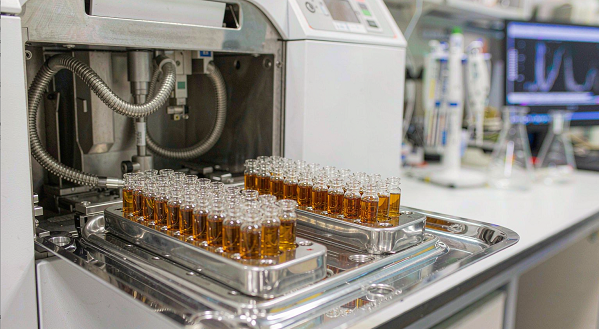
- HPLC analysis
- Active ingredient assay
- Heavy metal testing
- Microbial testing
- Residual solvent testing
- Stability testing
These quality controls are essential for pesticide manufacturers developing commercial formulations.
Conclusion
For agricultural companies seeking a reliable botanical ingredient partner, GreenAgribio provides professional Veratrine TC sourcing, quality control, and supply solutions to support the next generation of crop protection products. Contact us!
Also See
Is Bio Pesticide Veratrine the Answer to Pesticide Resistance
The Science Behind Veratrine Insecticide: Action Mechanism & Bioactivity Preservation
Best Pesticide for Thrips and Mites: Top Picks That Work
Green Agri Successfully Participates in CAC 2025
FAQs:
Q1:Can Veratrine TC replace chemical pesticides?
Veratrine TC is generally considered a complementary botanical active ingredient rather than a complete replacement. It is often used in integrated pesticide strategies.
Q2:Does Veratrine help manage pesticide resistance?
Because Veratrine contains bioactive alkaloids with different insecticidal mechanisms, it may support resistance management when properly incorporated into rotation or combination programs.
Q3: Is Veratrine TC suitable for organic agriculture?
Regulatory acceptance depends on country-specific organic standards. Manufacturers should verify approval requirements before commercial use.
References
Isman, M. B. (2006). Botanical insecticides, deterrents, and repellents in modern agriculture and an increasingly regulated world. Annual Review of Entomology.
Rattan, R. S. (2010). Mechanism of action of insecticidal secondary metabolites of plant origin. Crop Protection.
Sparks, T. C., & Nauen, R. (2015). IRAC: Mode of action classification and insecticide resistance management.
World Health Organization. Botanical pesticide and plant-based pest management resources.
Food and Agriculture Organization (FAO). Integrated Pest Management and sustainable crop protection strategies.