Can Osthole Replace Chemical Fungicides?
Osthole, a natural compound extracted from the fruits of Cnidium monnieri, has gained attention in agriculture. Farmers and pesticide manufacturer are exploring it as a botanical alternative to chemical fungicides. Its unique properties offer promising antifungal activity while reducing environmental impact.
How Is Osthole Extracted?
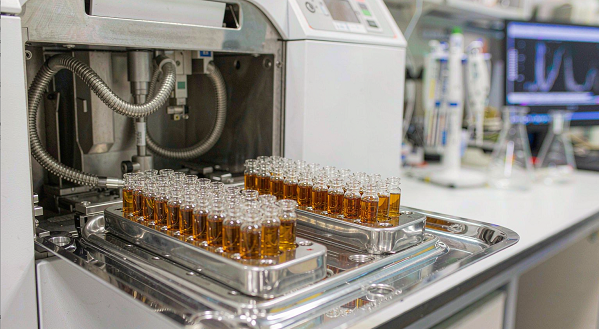
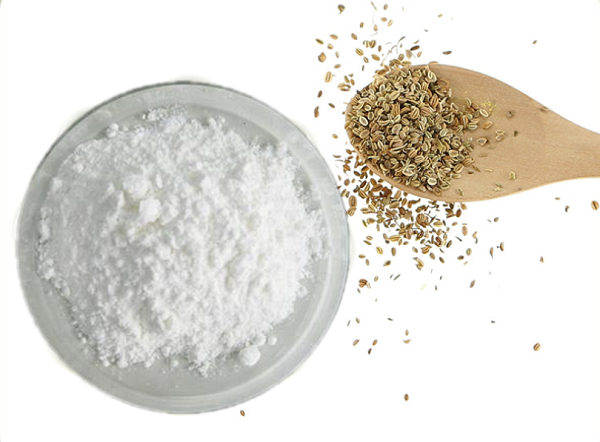
Osthole is a coumarin derivative naturally found in the fruit of Cnidium monnieri. It is prized for its antifungal and insect-repellent properties. Extraction typically involves ethanol or supercritical CO₂ techniques, which preserve its bioactive components. High-quality Osthole is characterized by a purity of 98% or higher, often confirmed by HPLC testing.
For pesticide manufacturers, sourcing from a reliable osthole supplier ensures consistency in potency, safety, and regulatory compliance. Companies like Green Agri, with over 20 years of experience in botanical pesticides, provide COA, specification sheets, SDS, and flow charts, helping buyers integrate Osthole smoothly into their formulations.
How Osthole Works Against Plant Fungal Diseases?
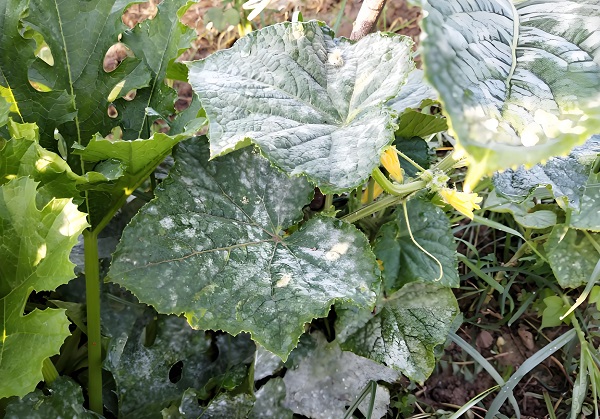
Osthole combats fungal pathogens through multiple pathways. Its antifungal activity disrupts the cell membrane of pathogens such as Botrytis cinerea, which causes gray mold in grapes, and Powdery mildew affecting strawberries. Laboratory studies show Osthole can reduce spore germination and mycelial growth, effectively lowering disease incidence.
Unlike chemical fungicides that rely on single-target mechanisms, Osthole works synergistically with other botanical compounds. This multi-pronged approach reduces the risk of pathogen resistance. Moreover, Osthole has shown low phytotoxicity, meaning it is generally safe for crops, beneficial insects, and soil microbes—an important consideration for sustainable agricultural practices.
Osthole vs. Chemical Fungicides
Comparing Osthole to conventional fungicides requires analyzing multiple perspectives to meet both efficacy and business needs.
Efficacy and Disease Control
Chemical fungicides such as azoxystrobin or mancozeb are fast-acting and highly potent. They often provide immediate disease suppression, which is critical in severe outbreaks. Osthole acts more gradually, targeting fungal cell membranes and interfering with spore development.
While it may require slightly higher dosages or repeated applications, Osthole’s multi-target action reduces resistance development, which is a growing problem with chemical fungicides. In moderate disease scenarios, Osthole can perform comparably to chemicals, especially when combined with other botanical compounds.
Environmental and Safety Considerations
Chemical fungicides pose risks to soil health, water systems, and non-target organisms, often leaving residues that concern regulators and consumers. Osthole offers eco-friendly disease control, with low toxicity to beneficial insects and soil microbes.
Its biodegradability and natural origin make Osthole suitable for sustainable farming practices. For B2B buyers, this translates to opportunities to market residue-free or “green” products, aligning with growing consumer demand for eco-conscious agriculture.
Cost, Sourcing, and Market Implications
Chemical fungicides are widely available and often cheaper in bulk, but regulatory pressures are increasing. Osthole can be cost-competitive when purchased from experienced suppliers who provide consistent quality and proper documentation.
Purchasing managers prioritize supplier reliability, batch consistency, and certification, all of which are critical for seamless production. Companies like Green Agri support buyers with technical guidance, sample testing, and documentation to meet international standards.
Limitations and Challenges of Osthole Application
Despite its promise, Osthole is not a perfect substitute for all chemical fungicides. Its solubility in water is limited, requiring formulation strategies such as emulsifiable concentrates or nanoencapsulation for efficient field application.
Environmental factors like rainfall, humidity, and temperature can influence efficacy, necessitating careful scheduling of sprays. Additionally, Osthole may act slower than high-potency chemicals, which could be a concern in severe disease outbreaks. Understanding these limitations helps set realistic expectations and informs production planning.
Future Trends: Can Osthole Fully Replace Chemical Fungicides?
The future of Osthole in crop protection looks encouraging. Research is expanding on synergistic blends of Osthole with other natural extracts to enhance effectiveness. Advanced formulation technology also improves stability, delivery, and residual activity.
As consumer demand grows for residue-free produce, chemical fungicides face increasing restrictions. This creates a market opportunity for Osthole-based solutions, especially in premium crops like berries and grapes. However, full replacement may still require a hybrid approach, combining natural and conventional agents for peak efficiency.
For pesticide manufacturers and distributors seeking sustainable ingredients, Osthole powder represents a credible alternative, balancing efficacy, environmental safet
If you are interested in sourcing Osthole or exploring customized formulations, contact Green Agri at info@greenagribio.com. With two decades of experience in botanical pesticide materials, we support B2B buyers with technical guidance, product documentation, and sample testing.
References
- Zhang, L. et al. Antifungal Activity of Coumarins Against Plant Pathogens. Journal of Agricultural Chemistry, 2022.
- Chen, Y. et al. Extraction Methods and Purity Analysis of Osthole. Phytochemistry Reports, 2021.
- Li, H. et al. Efficacy of Osthole Against Gray Mold in Grapevines. Plant Protection Science, 2020.
- Wang, Q. et al. Comparative Study of Botanical and Chemical Fungicides in Strawberry Cultivation. Crop Science Review, 2019.
- Zhao, J. et al. Environmental Impact Assessment of Natural Fungicides. Sustainable Agriculture Journal, 2021.
- Xu, P. et al. Formulation Advances in Natural Plant Extract Fungicides. Journal of Pesticide Science, 2023.