Botanical Pesticide Material Osthole: Market and Application Trends
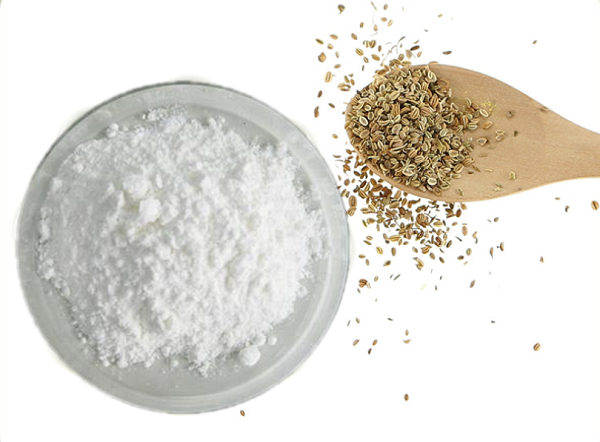
With the development of sustainable agriculture globally and increasing regulatory pressure on synthetic pesticides, botanical pesticide materials are once again attracting attention. Among them, osthole, a naturally occurring coumarin compound primarily extracted from Cnidium monnieri, is gradually emerging as a promising active ingredient for crop protection.
As we look toward 2026, the market for botanical pesticides is projected to grow at a CAGR of over 8%. This post explores the trends driving Osthole’s adoption and its role in the future of farming.
Why Is Global Demand for Osthole Rising?
Global demand for osthole is rising due to a convergence of regulatory, environmental, and market-driven factors. Many countries are tightening restrictions on high-residue chemical pesticides, creating opportunities for plant-derived alternatives. Osthole benefits from a favorable toxicological profile, low application rates, and multi-functional biological activity.
In parallel, growers are under pressure from food brands and retailers to reduce chemical residues, especially in export-oriented crops. This has increased interest in botanical pesticide raw materials that can support residue-compliant production systems.
Furthermore, as pests develop resistance to common synthetic active ingredients, Osthole’s multi-target mode of action provides a much-needed alternative to break the resistance cycle.
Osthole Pesticides vs. Synthetic Pesticides
| Aspect | Osthole (Botanical Pesticide) | Synthetic Pesticides |
|---|---|---|
| Source | Plant-derived | Chemically synthesized |
| Mode of Action | Multiple biological pathways | Usually single or limited targets |
| Resistance Risk | Lower resistance development | Higher risk with repeated use |
| Residue Profile | Low residues, faster degradation | Residues may persist |
| Environmental Impact | More environmentally friendly | Potential soil and water contamination |
| Soil Degradation | Relatively rapid biodegradation | Often slow, may accumulate |
| Compatibility with IPM | Highly compatible | Limited compatibility |
| Application Strategy | Preventive or integrated use | Curative and knockdown-focused |
Which Crop Protection Applications Use Osthole Most?
Botanical pesticide materials osthole is exceptionally versatile, but it has found its “sweet spot” in horticulture and specialty crops.
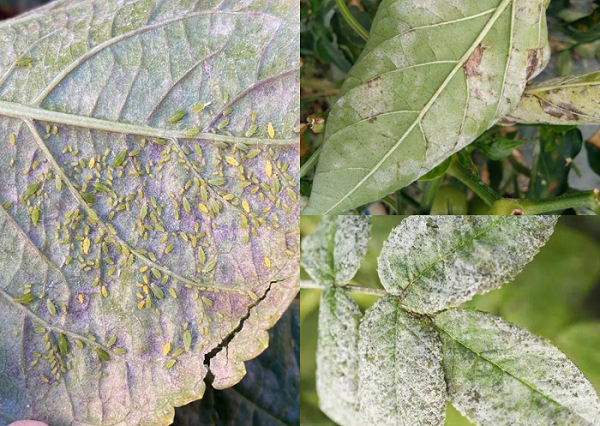
- Fruits and Vegetables: It is widely used on strawberries, grapes, and leafy greens to control powdery mildew and aphids.
- Greenhouse Crops: Because of its low volatile organic compound profile, it is a preferred choice for enclosed environments where air quality and worker safety are paramount.
- Rice and Cereals: Increasingly, Osthole is being applied to staple crops to combat fungal blights and boring insects.
Can Osthole Effectively Replace Traditional Fungicides?
Research shows that Osthole is a powerful inhibitor of fungal mycelium growth. It is particularly effective against Powdery Mildew, Downy Mildew, and Botrytis cinerea.
While it may not entirely replace synthetics in “rescue” situations with extreme outbreaks, it is an effective replacement in preventative programs.
What Formulations Are Common for Osthole-Based Products?
Formulation technology plays a key role in osthole’s commercial success. Due to its physicochemical properties, osthole is commonly formulated into:
- Emulsifiable concentrates (EC)
- Wettable powders (WP)
- Suspension concentrates (SC)
- Granular or soil-application formulations
Microemulsions and synergistic blends with other botanical actives are also gaining popularity, particularly among manufacturers seeking differentiated, high-performance products.
Which Agricultural Regions Are Leading Osthole Adoption?
Currently, East Asia (China and Japan) leads the market, as Cnidium monnieri is native to the region and its extraction industry is highly developed.
Latin America follows closely, where export-driven agriculture demands lower residues and resistance management solutions. In Europe, osthole adoption is more gradual but steadily increasing, especially in specialty crops and greenhouse systems.
How Does Osthole Fit into IPM?
Osthole aligns well with Integrated Pest Management (IPM) principles. Its natural origin, multiple modes of action, and environmental compatibility make it suitable for rotation with biologicals and reduced-risk chemicals.
- Synergy: It can be tank-mixed with other biologicals (like Matrine) to increase efficacy.
- Targeting: It acts as an antifeedant, meaning even if it doesn’t kill the pest instantly, it stops them from eating and destroying the crop.
- Safety: It allows for a shorter Pre-Harvest Interval, giving farmers the flexibility to treat crops even days before they go to market.
How Fast Does Osthole Degrade in Environmental Soil?
One of osthole’s key environmental advantages is its relatively rapid degradation in soil. In typical soil conditions, it has a half-life of just a few days to two weeks. It is broken down by sunlight (photolysis) and soil microbes into harmless organic matter.
Partner with Green Agri
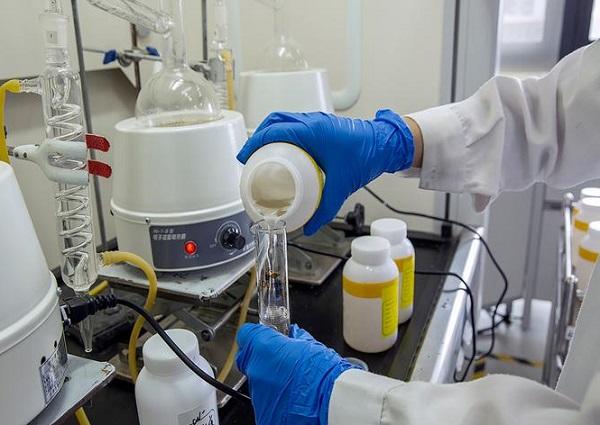
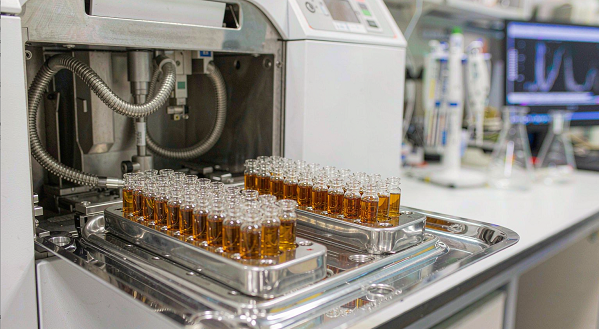
Green Agri specializes in producing high-purity botanical pesticide materials osthole 98% (HPLC) to meet the quality and stability requirements of professional pesticide formulations. We provide COA, specification sheets, SDS, flow charts, and other documentation. Have 2000KG inventory ensures fast delivery.
Whether you are looking for a raw material for high-end biopesticides or a customized botanical solution for sustainable farming, Green Agri provides the quality and reliability you need. Contact us now!
Also See
What is Matrine Insecticide?
Matrine vs. Synthetic Pesticides: A Comprehensive Comparison
Embrace Rotenone for a Sustainable Future
Rotenone Powder For Sale: Aquaculture of Application & Dosage
Applications of Matrine: From Crop Protection to Soil Health