Toosendanin Against Aedes aegypti: Research, Applications, and Market Potential
Have you noticed how traditional pest control methods are starting to fail? Mosquitoes like Aedes aegypti are becoming incredibly smart and resilient. These tiny invaders carry serious diseases like dengue, Zika, and yellow fever.
As a result, researchers and mosquito control companies are exploring botanical insecticides. Among them, toosendanin has gained attention because of its unique biological activity and plant origin.
At this article, as a botanical pesticide materials manufacturer, i explains the science behind toosendanin, its potential applications, and what buyers should know before sourcing bulk material.
What Is Toosendanin and Where Does It Come From?
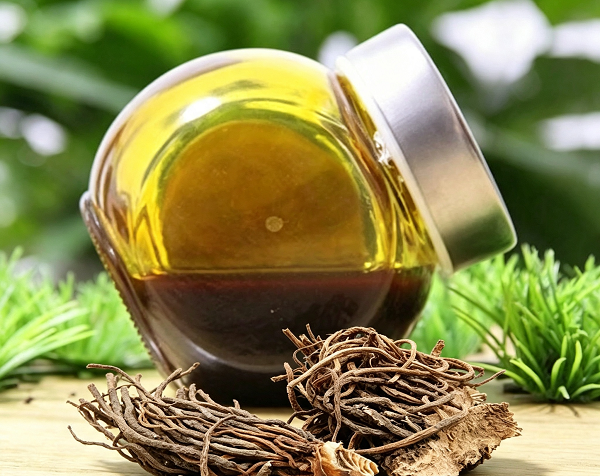
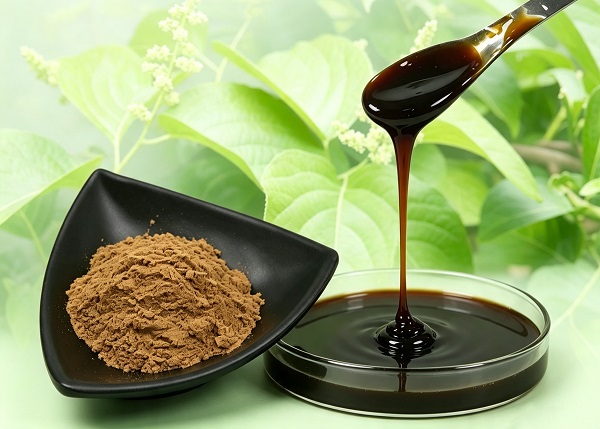
Toosendanin is a naturally occurring triterpenoid. It comes directly from the fruits or bark of the Chinaberry tree (Melia toosendan Siebold and Zuccarini). This flowering tree belongs to the mahogany family and grows widely across East Asia.
For over 2,000 years, traditional practitioners used extracts of this bark as a natural parasiticide and pest control agent. Today, modern science isolates this chemical to create eco-friendly biopesticides.
How Does Toosendanin Affect Aedes aegypti?
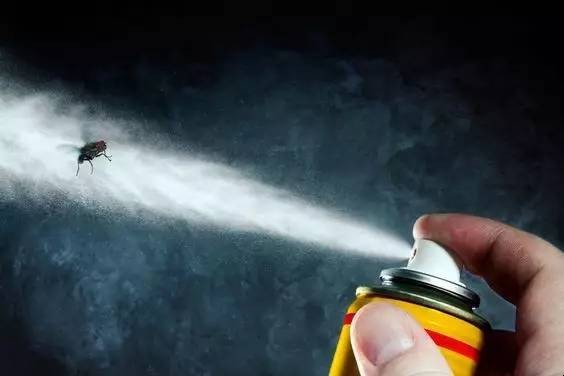
Toosendanin not only kills mosquitoes but also completely disrupts their physiological functions. When used on Aedes aegypti, toosendanin works primarily through two stages: direct toxicity and developmental delay.
- Larval Disruption: At high doses, Toosendanin acts as a fast-killing larvicide. At lower, sublethal doses, it delays larval development. This delay traps the insect in the larval stage longer. In the wild, this prevents them from successfully maturing into flying, biting adults.
- Reproductive Blocks: When adult female mosquitoes ingest Toosendanin, it halts their ability to digest blood meals. The compound blocks key digestive enzymes in their gut. Without these nutrients, the females cannot produce yolk proteins or mature their eggs.
Scientific Research on Toosendanin Against Aedes aegypti
Several published studies have evaluated the mosquito-control effects of compounds from the Melia genus against mosquito species. Research is ongoing. The main findings from existing studies include the following:
- Lethal Toxicity: Researchers found that Toosendanin is highly toxic to young, first-instar Aedes aegypti larvae. It achieves a lethal concentration of just 60.8 micrograms per milliliter(ug/mL) within 24 hours.
- Egg Suppression: In adult tests, applying small, sublethal doses to female mosquitoes reduced their egg laying and larval hatch rates by over 45%.
- No Larvae Hatching: At slightly higher sublethal doses, adult females failed to produce any viable offspring.
Advantages of Toosendanin Compared with Conventional Chemical Insecticides
Many mosquito control programs are seeking alternatives to synthetic insecticides. Plant-based ingredients offer several potential advantages.
| Feature | Conventional Synthetics (such as pyrethroids) | Toosendanin |
| Resistance Risk | Extremely high (mosquitoes adapt quickly) | Extremely low (complex mode of action) |
| Environmental Impact | Persists in water, harms aquatic life | Biodegrades rapidly, leaves no toxic residues |
| Target Specificity | Broad-spectrum (kills beneficial insects) | Highly selective (protects non-target species) |
| Mammalian Safety | High toxicity risks to pets and humans | Highly safe, very low mammalian toxicity |
Potential Applications in Mosquito Control Programs
Toosendanin may support several mosquito management applications.
Possible uses include:
- Mosquito larvicides
- Public health mosquito control research
- Botanical pesticide formulations
- Integrated vector management programs
- Agricultural mosquito control products
Market Demand for Botanical Mosquito Control Ingredients
The global market for plant-derived pesticides is growing rapidly. Regulatory bodies such as the U.S. Environmental Protection Agency and the European Union are tightening restrictions on synthetic chemicals. This regulatory shift creates significant business opportunities.
Furthermore, environmentally conscious consumers are actively seeking green and eco-friendly home and garden products. Global warming has also expanded the distribution range of Aedes aegypti mosquitoes. These trends collectively drive global demand for plant-based active ingredients. For agrochemical brands, adding Toosendanin-based larvicides to their product lines is a high-profit, high-growth investment.
What Buyers Should Look for When Sourcing Bulk Toosendanin
Choosing the right supplier involves more than comparing prices.
Professional buyers should evaluate several important factors.
- HPLC-tested purity
- Consistent batch quality
- COA, SDS, and specification sheets
- Heavy metal and microbiological testing
- Stable production capacity
- Technical support
- Export documentation
- Reliable global logistics
A qualified manufacturer should also provide traceable production records and responsive customer service. These factors reduce purchasing risks and improve long-term cooperation.
Frequently Asked Questions
1. Is Toosendanin safe for dogs, cats, and other pets?
Yes. Toosendanin target-selectively attacks insect physiology. Extensive mammalian toxicology tests show that it poses virtually no risk to household pets or humans when used as directed.
2. Does Toosendanin cause environmental bioaccumulation?
No. Unlike synthetic chemicals like DDT or pyrethroids, toosendanin breaks down quickly when exposed to soil microbes and sunlight. It does not build up in the food chain or pollute waterways.
3. Can mosquitoes develop resistance to Toosendanin?
It is highly unlikely. toosendanin uses a multi-target action. It blocks neurotransmitters and disrupts calcium channels at the same time. This complexity makes it almost impossible for mosquitoes to develop a mutation to bypass it.
Partner With Us for Bulk Toosendanin
If you are developing botanical mosquito control products, choosing the right manufacturing partner is essential.
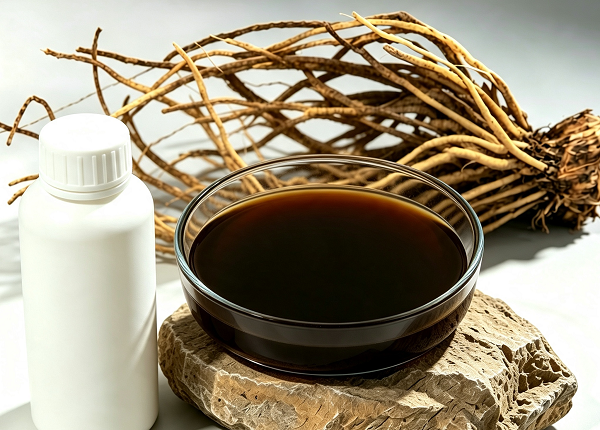
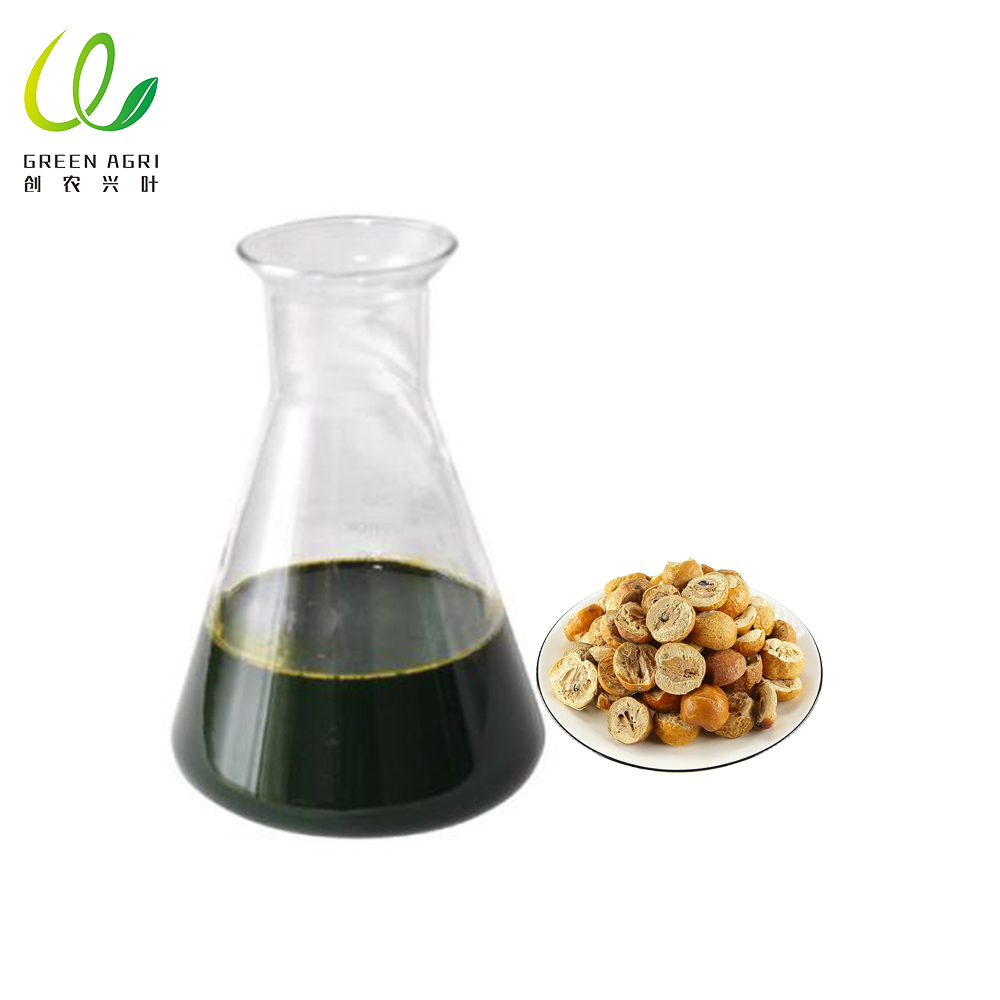
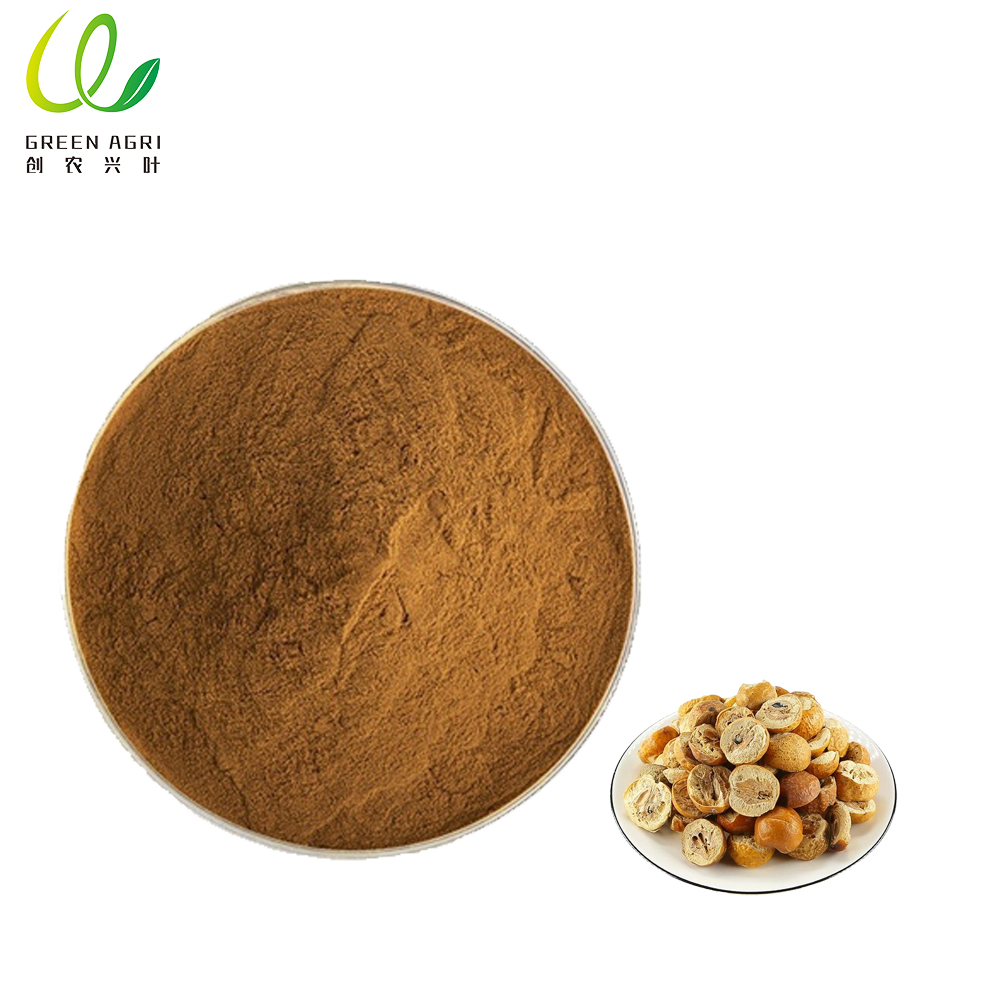
Green Agri is a toosendanin manufacturer, we supply bulk Toosendanin 1%(brown liquid) and 2%(brown powder) for pesticide manufacturers and distributors worldwide. We provide comprehensive technical documentation, including COA, etc. Contact us now for a quote!
Toosendanin
References
Ma, Z., Gulia-Nuss, M., Zhang, X., & Brown, M. R. (2013). Effects of the Botanical Insecticide, Toosendanin, on Blood Digestion and Egg Production by Female Aedes aegypti (Diptera: Culicidae): Topical Application and Ingestion. Journal of Medical Entomology, 50(1), 112-121.
Shi, Y., & Li, X. (2007). Historical and Modern Applications of Melia toosendan Extracts in Pest Management. Phytochemistry Reviews, 6(2), 205-214.
Shaalan, E. A., Canyon, D., Bowles, M. W., & Mansour, A. H. (2005). A Review of Botanical Phytochemicals with Mosquitocidal Activity. Parasitology Research, 96(4), 191-205.
Mulla, M. S., & Su, T. (1999). Activity and Biological Effects of Neem Products Against Mosquitoes. Journal of the American Mosquito Control Association, 15(2), 133-152.
Ranson, H., N’guessan, R., Lines, J., Moiroux, N., & Hemingway, J. (2011). Pyrethroid Resistance in African Anopheles and Aedes Vectors: From Laboratory to Field. Trends in Parasitology, 27(2), 91-98.
Liao, C., & Liu, S. (1986). Growth Inhibitory and Feeding Deterrent Effects of Toosendanin on Lepidopteran Larvae. Acta Entomologica Sinica, 29(3), 241-248.