Sodium Alginate for Nitrogen Fixation: Applications in Agricultural Fertilizers
Biofertilizer manufacturers face a major hurdle in the field: beneficial nitrogen-fixing bacteria often die off in harsh soil conditions before they ever reach plant roots. Using bulk sodium alginate to encapsulate and protect these microbes solves shelf-life issues and boosts crop nutrient uptake.
Why Is Sodium Alginate Used in Agricultural Fertilizers?
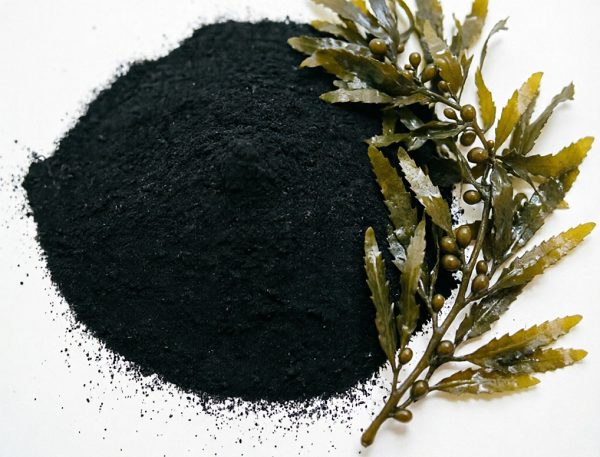
Modern agriculture is shifting away from heavy synthetic chemical fertilizers toward sustainable biological inputs. Sodium alginate serves as an ideal organic carrier, granulating binder, and soil conditioner. Derived from brown seaweed, it is non-toxic to soil ecosystems, holds up to 200 times its weight in water, and breaks down naturally without leaving microplastic residues behind. For fertilizer producers, it improves granule hardness during manufacturing while boosting biological performance in the field.
What Role Does Sodium Alginate Play in Nitrogen-Fixing Biofertilizers?
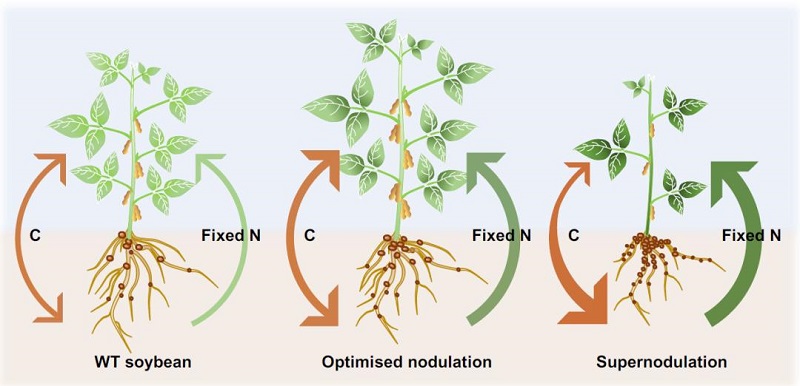
Nitrogen-fixing bacteria—such as Rhizobium, Azotobacter, and Azospirillum—convert atmospheric nitrogen into plant-usable ammonia. However, when sprayed directly onto fields as bare liquids, UV sunlight, dry soil, and temperature swings wipe out up to 90% of the bacteria within days.
Sodium alginate acts as a protective matrix and nutrient-rich micro-habitat. By embedding live bacteria inside an alginate carrier, fertilizer manufacturers extend product shelf life in the warehouse and keep microbes alive long enough in the soil to colonize crop roots effectively.
How Does Sodium Alginate Help Immobilize Nitrogen-Fixing Bacteria?
Microbial immobilization involves holding microorganisms within or on a supporting material. Alginate is widely investigated for this purpose because it can form gels under relatively mild conditions.
Sodium alginate is first dissolved or hydrated in water. A microbial suspension can then be mixed with the alginate solution. When the mixture comes into contact with calcium ions, the alginate forms a gel network.
The gel network can entrap microbial cells within its structure. This process may help protect cells from certain environmental stresses, depending on the formulation.
Researchers have investigated alginate-based immobilization systems for plant growth-promoting bacteria and nitrogen-fixing microorganisms. Studies have explored their potential in biofertilizer development.
For example, a 2022 study investigated a biofertilizer based on a nitrogen-fixing bacterium immobilized in a hydrotalcite-alginate composite. The research explored the use of the composite as a bacterial reservoir and controlled-release material.
How Are Calcium Alginate Beads Used for Microbial Encapsulation?
Encapsulating nitrogen-fixing microbes into solid beads is a straightforward, scalable process for fertilizer plants:
-
Cell Mixing: Live nitrogen-fixing bacteria cultures are blended into a sterile 1% to 2% sodium alginate liquid solution.
-
Droplet Formation: The mixture is pumped through nozzles or drip manifolds into a bath containing a calcium chloride solution.
-
Instant Gelation: The moment each droplet hits the calcium bath, sodium ions exchange with calcium ions, instantly locking the outer layer into a firm, porous calcium alginate bead.
-
Drying and Storage: The wet beads are rinsed and gently air-dried into lightweight, easy-to-spread granules that keep bacteria dormant and protected for months until they hit moist farm soil.
What Are the Benefits of Sodium Alginate in Biofertilizer Formulations?
Adding sodium alginate to nitrogen-fixing fertilizers offers significant agronomic and commercial advantages, such as higher microbial survival rates, enhanced root colonization, improved soil water retention, and zero soil pollution.
Sodium alginate offers several potential advantages in microbial biofertilizer development.
| Potential benefit | Formulation relevance |
|---|---|
|
Microbial immobilization |
Provides a matrix for trapping microorganisms |
| Gel formation |
Supports the production of structured materials |
|
Protection |
May help protect microorganisms from certain stresses |
| Controlled release |
Can be investigated for gradual microbial release |
|
Handling |
Supports the development of bead-based formulations |
| Formulation flexibility |
Can be combined with other materials |
How Does Sodium Alginate Support Microbial Protection and Controlled Release?
Alginate gels can create a physical network around microorganisms. This network may help reduce direct exposure to certain environmental stresses.
The degree of protection depends on bead structure, environmental conditions and the properties of the microorganisms.
Alginate beads may also allow microorganisms to be released as the gel structure changes or degrades. Release behavior depends on calcium crosslinking, soil conditions, moisture and microbial activity.
How to Incorporate Sodium Alginate into Nitrogen-Fixing Fertilizer Production?
Manufacturers typically integrate bulk sodium alginate into three main production formats:
-
Dry Encapsulated Granules: Used in drip-extrusion systems to form uniform beads that farmers apply alongside seeds using standard fertilizer spreaders.
-
Seed Coating Suspensions: Mixed with inoculants and micronutrients to glue nitrogen-fixing bacteria directly onto corn, soybean, or wheat seeds before planting.
-
Liquid Biofertilizer Stabilizers: Added to liquid microbial jugs to prevent bacterial cells and humic acid particles from settling during storage.
What Specifications Should You Consider When Purchasing Bulk Sodium Alginate for Fertilizers?
Understanding raw material grades helps procurement teams avoid overpaying. In the case of agricultural-grade sodium alginate, the focus is on cost-effectiveness, reliable gel strength, and consistent bulk quality.
When requesting quotes for bulk fertilizer production, evaluate these core specs:
| Specification | Agricultural Fertilizer Target | Operational Impact |
| Viscosity (1% solution) | 100 – 600 mPa·s | Determines nozzle flow rate and bead roundness |
| Moisture Content | ≤ 15.0% | Prevents caking in 25kg bulk bags during transit |
| Mesh Size | 40 – 80 mesh | Balances fast mixing with low dust in large tanks |
| pH (1% solution) | 6.0 – 8.5 | Ensures compatibility with live bacterial strains |
| Water Insolubles | ≤ 1.5% | Prevents spray nozzles and drip lines from clogging |
Get a Custom Bulk Quote for Your Fertilizer Production
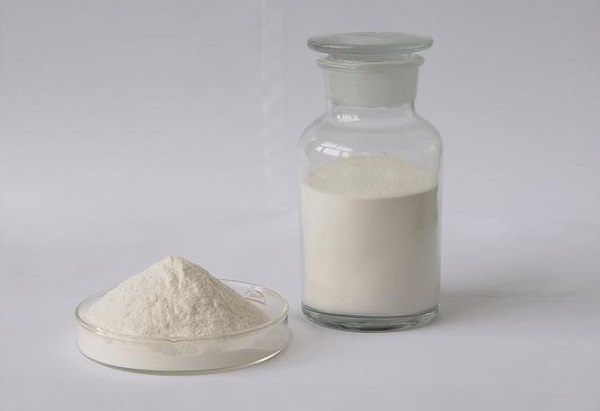
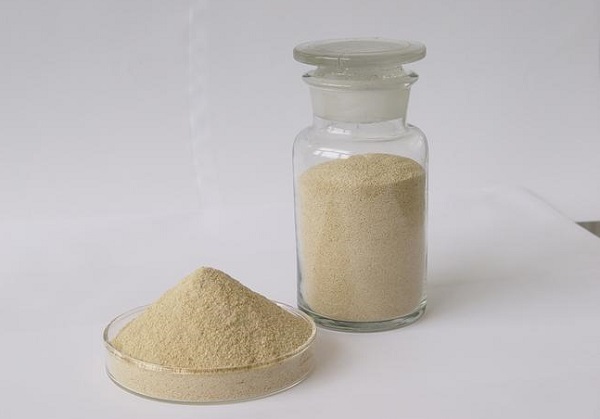
A reliable sodium alginate supplier should provide clear product specifications and support bulk purchasing requirements. Sample testing can help evaluate the product before placing a large order. You need test hydration, viscosity, gel formation and compatibility with microbial strains.
Green Agri is a manufacturer of plant fertilizer additives, and we supply bulk fertilizer-grade sodium alginate powder.
Scaling up a nitrogen-fixing biofertilizer or microbial inoculant? Contact us today with your target order volume (kg or metric tons) to receive unit pricing, tiered bulk discounts, shipping cost estimates, and full product specifications.
Frequently Asked Questions About Sodium Alginate
What is the sodium alginate structure?
Sodium alginate consists of mannuronic acid and guluronic acid units arranged in polymer chains. Their sequence and ratio influence its viscosity and gel-forming properties.
What is the sodium alginate molecular formula?
Its repeating-unit formula is commonly written as (C6H7NaO6). Sodium alginate is a polymer with variable molecular weight.
What are the main sodium alginate uses?
Common applications include food processing, animal feed, pharmaceutical formulations, cosmetics, textiles and agriculture. Its main functions include thickening, binding, stabilization and gel formation.
What is the source of sodium alginate?
Sodium alginate is mainly extracted from brown seaweed, including Laminaria, Macrocystis and Ascophyllum species.
References
-
Velázquez-Herrera, F. D., et al. Novel Bio-Fertilizer Based on Nitrogen-Fixing Bacterium Immobilized in a Hydrotalcite/Alginate Composite Material. Environmental Science and Pollution Research. 2022.
-
Lee, K. Y., & Mooney, D. J. Alginate: Properties and Biomedical Applications. Progress in Polymer Science. 2012.
-
Draget, K. I., Skjåk-Bræk, G., & Smidsrød, O. Alginate-Based Materials: Properties and Applications. Advances in Polymer Science.
-
Smidsrød, O., & Skjåk-Bræk, G. Alginate as Immobilization Matrix for Cells. Trends in Biotechnology.
-
Riseh, R. S., Fathi, F., Vatankhah, M., & Kennedy, J. F. Alginate Supramolecular for Encapsulation of Plant Biocontrol Bacteria: A Review. Carbohydrate Polymers. 2025.
-
Bashan, Y., & de-Bashan, L. E. How the Plant Growth-Promoting Bacterium Azospirillum Promotes Plant Growth: A Critical Assessment. Advances in Agronomy.