Case Study: Lentinan Performance in Integrated Pest Management
Today, consumers demand “clean” and “organic” agricultural products, while regulatory agencies are constantly tightening regulations on pesticide use. Growers also face a significant challenge: how to produce more food while reducing the use of synthetic chemical pesticides. Lentinan is gradually emerging as an effective solution in integrated pest management. It reduces reliance on chemical pesticides and enhances crop resistance by activating plant defense mechanisms rather than directly killing pests.
In this blog post, we will analyze several case studies to illustrate how lentinan enhances pest control, improves crop quality, and increases yield.
What is Lentinan in Sustainable Agriculture?
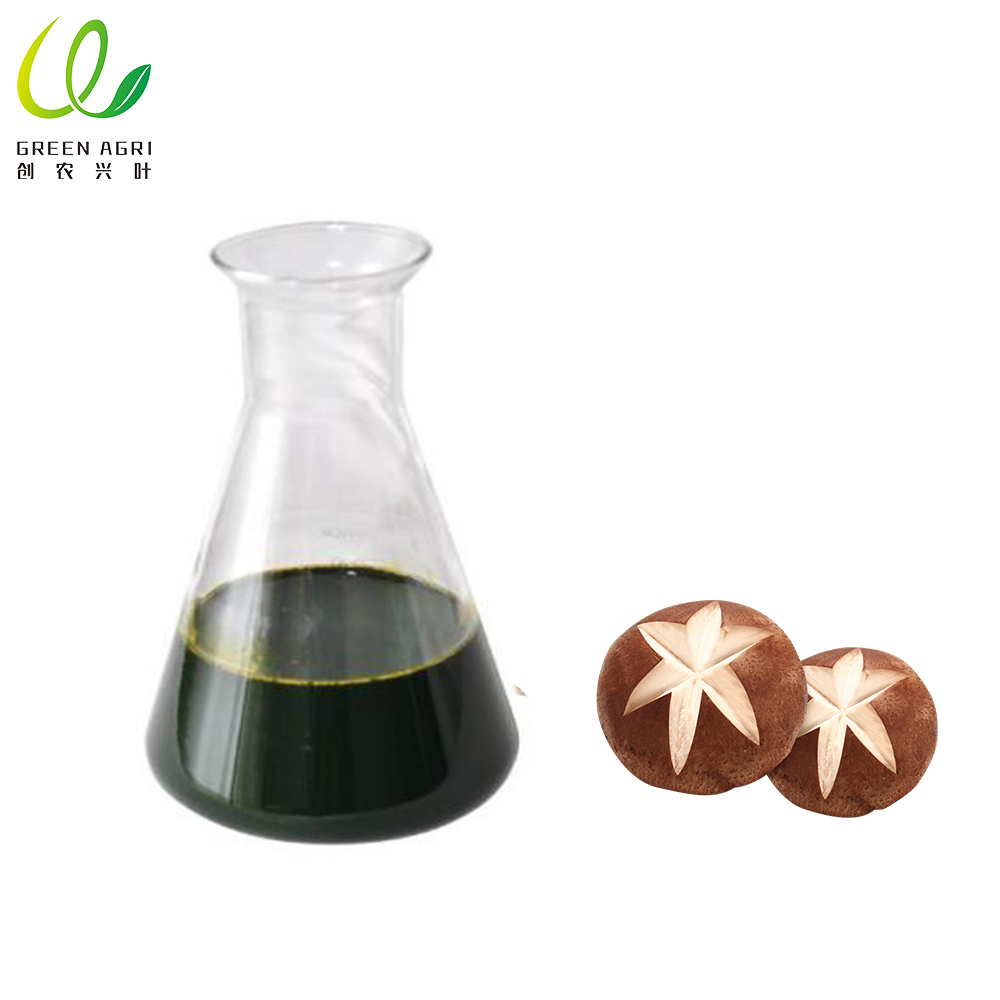
Lentinan powder, a polysaccharide found in shiitake mushrooms, is not a “pesticide” in the traditional sense. It does not kill pests or pathogens through contact. Instead, it acts like a vaccine for plants. It belongs to a class of compounds called biostimulants or inducers. When applied to crops, it activates the plant’s internal defense system.
Mechanism of action
Under normal circumstances, a plant’s immune system is dormant. Lentinan acts like a wake-up signal. When lentinan is sprayed, the plant perceives it as a potential threat.
The plant reacts by strengthening its cell walls. It produces specialized proteins and antimicrobial compounds. In technical terms, we call this Systemic Acquired Resistance (SAR). Because the plant is already on high alert, it can fight off real infections much faster.
Ultimately, this establishes long-term immune memory throughout the entire plant, enhancing its resistance to subsequent diseases, pests, and adverse conditions.
Case Study: Lentinan Performance in Integrated Pest Management
Case 1: Managing Rice Blast
Rice blast is one of the most destructive diseases in global grain production, capable of reducing yields by up to 30% in severe outbreaks. In a 2025 multi-site trial, Lentinan was used as a seed treatment followed by a foliar spray at the tillering stage.
The results showed that Lentinan-treated rice displayed significantly higher levels of melatonin, which acts as an internal regulator of plant immunity and inhibits the growth of M. oryzae hyphae. By inducing this natural chemical barrier, the severity of leaf blast was reduced by 28%, and neck blast—the more damaging form—decreased by 22%. This trial proved that Lentinan could replace at least one early-season synthetic fungicide application without sacrificing yield.
Case 2: Control of Cucumber Green Mottle Mosaic Virus
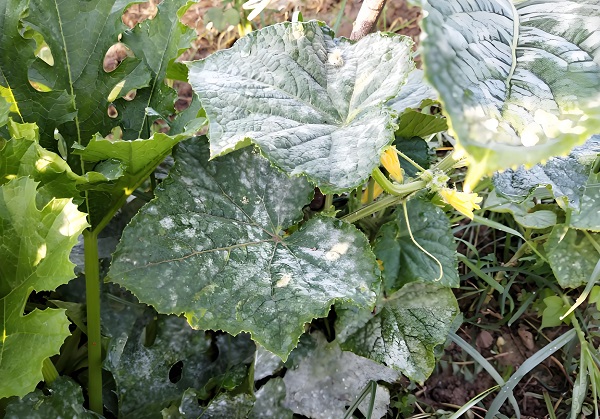
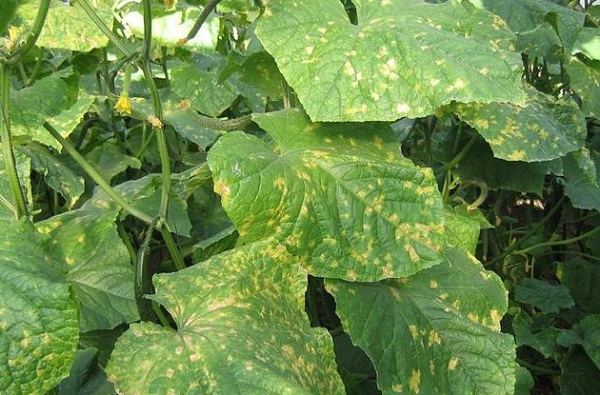
Viral diseases are a nightmare for greenhouse growers because they spread rapidly via tools and contact. A 2024 case study focused on commercial cucumber greenhouses where cucumber green mottle mosaic virus was endemic. Since there are no effective chemical “cures” for viruses, the IPM strategy shifted toward prevention and resilience.
Farmers implemented a protocol using Lentinan in conjunction with advanced sanitization. The Lentinan-treated plants showed a delayed onset of symptoms by an average of 14 days. This delay is critical in high-turnover greenhouse crops. It allowed the plants to reach peak harvest before the virus could significantly impact fruit quality. When combined with resistant varieties like ‘Katrina’, the total marketable yield remained stable despite the presence of the virus in the environment.
Case 3: Synergy with Dipteran Parasitoids
A 2026 study on Dipteran parasitoids (beneficial flies that kill pests) confirmed that Lentinan has zero knock-down effect on non-target species like Exorista larvarum.
In a cabbage field trial, researchers used Lentinan to manage fungal pathogens while simultaneously releasing parasitoid flies to control caterpillar populations. Because Lentinan is non-toxic to the flies, the biological control agents could work undisturbed. The “Lentinan + Bio-control” plots had a 15% higher survival rate of beneficial insects compared to plots using even low-toxicity synthetic fungicides. This indicates that lentinan is an effective component of the integrated pest management (IPM) ecosystem approach.
Benefits of Lentinan
Lentinan’s performance in 2024–2026 trials proves it is a heavy hitter in the IPM world. It offers:
- Reduced Chemical Loads: Allows for a significant reduction in synthetic pesticide volumes.
- Viral Protection: Fills the gap where traditional chemistry often fails.
- Enhanced Quality: Improves the nutraceutical value and shelf life of the produce.
Global Regulations and Regulatory Status of Lentinan
Lentinan does not have a unified global classification. Authorities regulate it under categories such as biopesticides, plant protection products, or biostimulants.
In the European Union, all crop protection products fall under Regulation (EC) No 1107/2009. Lentinan-based products may qualify as low-risk substances if they meet safety standards.
In the United States, the Environmental Protection Agency regulates biopesticides. Natural compounds like lentinan are often classified as biochemical pesticides. These typically benefit from a simplified registration process.
In Asia, regulatory frameworks continue to evolve. Countries such as China and Japan encourage plant-derived solutions to reduce chemical pesticide use.
Wholesale Lentinan from Green Agri
If you are looking for a reliable source of bulk lentinan, Green Agri offers a professional and consistent supply. As a botanical pesticide materials manufacturer, Green Agri provides lentinan (10% liquid,40% powder) with strict quality control at every stage. Each batch undergoes testing for purity, stability, and safety. The company supports customers with complete documentation, including COA, specifications, and technical guidance. Contact us now!
Also See
What is Lentinan Pesticide?
The Importance of High-Quality Lentinan in Agriculture
Reference
AntWiki. (2026). Dipteran parasitoids as biocontrol agents.
MDPI. (2024). Preliminary Study on the Control of Cucumber Green Mottle Mosaic Virus in Commercial Greenhouses.
PMC. (2025). Elicitation: A Tool for Enriching the Bioactive Composition of Foods.
ResearchGate. (2025). Melatonin Enhances Blast Disease Resistance via Inducing Rice Immunity.
Tiwari, A. K. (2024). IPM Essentials: Combining Biology, Ecology, and Agriculture for Sustainable Pest Control.