
Is Bio Pesticide Veratrine the Answer to Pesticide Resistance
Discover how Veratrine biopesticide may help manage pesticide resistance through botanical insecticide technology. Learn how Green Agri supports sustainable agriculture with natural crop protection ingredients.
How Botanical Insecticides Are Changing the Future of Sustainable Crop Protection?
Modern agriculture has achieved remarkable productivity through the development of highly effective chemical pesticides. However, decades of repeated use of the same insecticide classes have created a significant challenge: pesticide resistance.
Insect populations can evolve genetic adaptations that reduce their sensitivity to pesticides, causing previously effective products to deliver weaker field performance. According to the U.S. Environmental Protection Agency (EPA), pesticide resistance management requires integrated strategies that preserve the effectiveness of existing tools while incorporating alternative pest management approaches.
For growers, this creates several challenges:
- Increasing pesticide application rates
- Higher production costs
- Reduced crop protection reliability
- Growing concerns about pesticide residues
- Pressure from consumers and regulators for sustainable agriculture
As a result, the agricultural industry is increasingly exploring biopesticides, including botanical insecticides derived from plants, as valuable tools within integrated pest management (IPM) systems.
Among emerging botanical solutions, Veratrine has attracted attention as a natural insecticidal compound with potential applications in modern pest management.
But is Veratrine truly the answer to pesticide resistance?
The answer is more complex:
Veratrine is not a single replacement for all synthetic pesticides — but it represents an important new tool for resistance management when integrated correctly.
The Evolutionary Problem Behind Conventional Insecticides
Pesticide resistance occurs through natural selection.
When a pesticide is repeatedly applied:
- Most susceptible insects are eliminated.
- A small number of naturally resistant insects survive.
- These survivors reproduce.
- Future generations become harder to control.
Over time, farmers may experience:
- Reduced mortality after application
- Shortened protection periods
- Increased dependence on stronger chemicals
Resistance can develop through multiple mechanisms:
1. Target-Site Resistance
The insect’s biological target changes, preventing the pesticide from working effectively.
Examples:
- Altered nerve receptors
- Modified enzyme systems
2. Metabolic Resistance
Insects produce enzymes that break down pesticide molecules before they reach their target.
3. Behavioral Resistance
Pests change their behavior to avoid exposure.
Examples:
- Avoiding treated surfaces
- Changing feeding patterns
Because resistance is an evolutionary process, using the same mode of action repeatedly accelerates the problem.
Why Biopesticides Are Becoming Essential in IPM Programs?
Biopesticides are pesticides derived from natural sources such as:
- Plants
- Microorganisms
- Natural compounds
- Biochemical substances
The EPA recognizes biopesticides as an important category of pest management tools, including biochemical pesticides and microbial pesticides.
Unlike traditional chemical-only programs, biopesticides provide:
Multiple Modes of Action
Natural insecticides may affect pests through:
- Feeding disruption
- Repellent activity
- Growth regulation
- Nervous system interference
This diversity helps reduce selection pressure when products are rotated properly.
Residue Management Advantages
Many growers use biopesticides strategically:
- Early season: botanical or biological products
- Mid-season: conventional chemistry when pest pressure peaks
- Late season: lower-residue biological solutions
This approach can support export compliance and market requirements.
WCNGG highlighted that biological pesticides can help break continuous reliance on synthetic products and protect the long-term effectiveness of stronger insecticides.
What Is Veratrine?
A Botanical insecticide ingredient Inspired by Plant Defense Chemistry
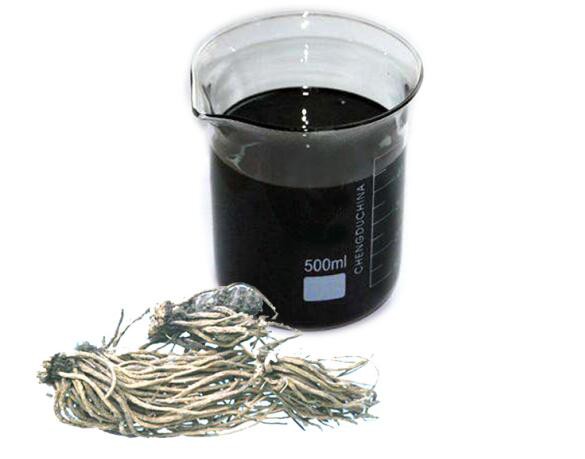
Veratrine is a naturally occurring alkaloid mixture traditionally associated with plants in the genus Veratrum.
Plants naturally produce defensive compounds to protect themselves from herbivorous insects.
These plant-derived molecules have attracted scientific interest because they can affect insect physiology.
Recent regulatory developments show increased interest in Veratrine as an insecticidal active ingredient. The EPA registered products containing Veratrine as a new active ingredient in 2025, describing its insecticidal activity through effects on insect nervous systems.
How Does Veratrine Work Against Insects?
Targeting the Insect Nervous System
Like many insecticides, Veratrine acts primarily through neurological pathways.
Its potential advantages include:
Fast Biological Activity
By interfering with nerve function, Bio Pesticide Veratrine may contribute to rapid pest control.
Different Resistance Profile
Because resistance often develops against specific chemical classes, introducing compounds with different characteristics may help diversify pest management programs.
EPA discussions around Veratrine have noted its potential lack of cross-resistance concerns with certain existing insecticide classes.
However, like all insecticides, responsible rotation and resistance management remain essential.
Is Veratrine the Solution to Pesticide Resistance?
The Short Answer: No — But It Is Part of the Solution
A common misconception is that one new pesticide can solve resistance permanently.
Agricultural history shows that insects can eventually adapt to almost any single control method.
The future of pest management is not:
❌ Replace all chemicals with one natural pesticide
The future is:
✅ Integrated resistance management
A successful program combines:
- Crop monitoring
- Economic thresholds
- Biological controls
- Botanical pesticides
- Conventional insecticides
- Rotation of modes of action
Veratrine vs Traditional Synthetic Insecticides
| Feature | Synthetic Insecticides | Botanical Veratrine |
| Source | Chemical synthesis | Plant-derived compound |
| Resistance risk | High when overused | Requires rotation strategy |
| Mode of action | Often specific chemical classes | Natural bioactive mechanism |
| Sustainability positioning | Conventional agriculture tool | Supports biological agriculture trends |
| IPM compatibility | Yes | Yes |
| Residue strategy | Depends on compound | Potential low-residue positioning |
Why choose Green Agri for botanical pesticide ingredients?
Green Agri provides:
- Natural agricultural ingredient expertise
- Botanical extraction capabilities
- Quality-controlled production
We help agricultural companies develop next-generation natural ingredients.
Conclusion: Veratrine Is Not the End of Pesticide Resistance — It Is the Beginning of Smarter Agriculture
The future belongs to diversified pest management systems. Botanical insecticides like Veratrine represent an important step toward:
Sustainable agriculture
Reduced resistance pressure
Better residue management
More resilient crop protection
For agricultural innovators seeking reliable botanical ingredients, Green Agri provides the natural ingredient foundation needed to develop the next generation of biopesticide solutions.
FAQs
Q1: What is Veratrine biopesticide?
Veratrine is a botanical insecticidal compound derived from plant sources. It has attracted attention because of its ability to affect insect nervous system activity and its potential role in sustainable pest management.
Q2:Can Veratrine replace synthetic pesticides?
No. Veratrine should be considered a complementary tool within an integrated pest management program rather than a complete replacement for all synthetic pesticides.
Q3:Does Veratrine help prevent pesticide resistance?
Veratrine may contribute to resistance management by increasing available modes of action and reducing repeated dependence on the same pesticide classes.
References
U.S. Environmental Protection Agency — Biopesticides Overview
U.S. Environmental Protection Agency — Slowing and Combating Pest Resistance to Pesticides
U.S. Environmental Protection Agency — EPA Registers New Pesticide Active Ingredient Veratrine
U.S. Environmental Protection Agency — Proposed Registration Decision for Veratrine