The Science Behind Veratrine Insecticide: Action Mechanism & Bioactivity Preservation
Sustainable agriculture demands reliable tools that control pests without harming the environment. Synthetic chemicals often trigger pest resistance, persistent soil pollution, and consumer safety concerns. Botanical solutions offer a clear pathway forward.
Veratrine insecticide stands out because of its fast knockdown effect, natural origin, and low environmental persistence. Derived from plants in the Veratrum genus, natural veratrine contains bioactive alkaloids that effectively control many agricultural pests.
However, veratrine’s performance depends not only on its active compounds but also on how manufacturers preserve its bioactivity during extraction, processing, and formulation. Understanding these factors helps pesticide manufacturers, formulators, and distributors choose high-quality bio pesticide veratrine for commercial applications.
Veratrine: Nature’s Botanical Defense Mechanism
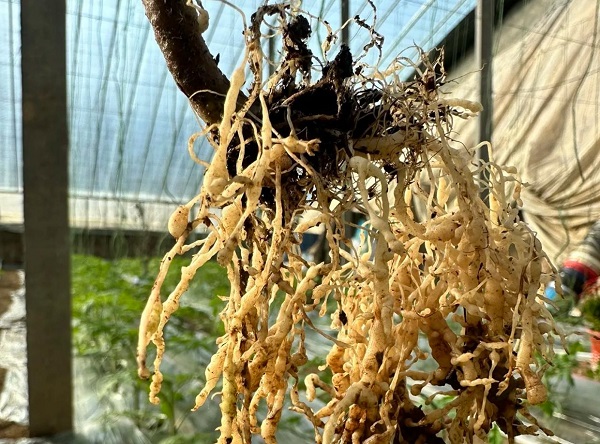
Veratrine is a mixture of naturally occurring steroidal alkaloids extracted from Veratrum species. Veratrine is not a single chemical compound. It is a complex blend of natural steroidal alkaloids, mainly featuring cevadine and veratridine. These plants produce the compounds as a natural defense against insects and herbivores.
How Does Veratrine Insecticide Work Against Insect Pests?
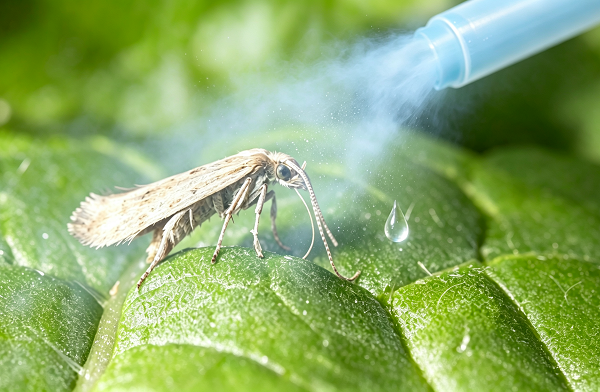
Veratrine attacks the nervous system of susceptible pests through contact and stomach poisoning. It targets voltage-gated sodium channels located within nerve cell membranes.
When an insect encounters veratrine, the alkaloids bind directly to open sodium channels. This prevents the channel gates from closing properly. As a result, sodium ions continuously stream into nerve cells.
This ion overload causes endless nerve firing and severe hyperexcitation. The targeted pest suffers rapid tremors, body paralysis, and eventual death within hours.
Broad-Spectrum Efficacy & Resistance Management in IPM Programs
Integrated Pest Management (IPM) strategies rely on rotating active ingredients with distinct modes of action. Veratrine fits seamlessly into IPM programs due to its broad-spectrum control and resistance-busting traits.
| Targeted Pest Class | Key Crop Applications | Field Efficacy Highlights |
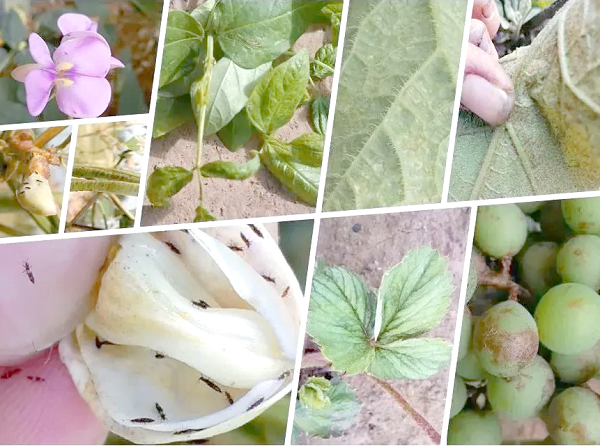
| Piercing-Sucking Insects (Aphids, Thrips, Spider Mites) | Vegetables, Greenhouse Fruits, Tea | Fast knock-down within 24 to 48 hours |
| Chewing Larvae (Caterpillars, Beetles) | Field Crops, Fruit Orchards | Strong antifeedant action and contact toxicity |
Within Integrated Pest Management programs, veratrine works well as a rotation partner. Alternating products with different action mechanisms reduces selection pressure and helps slow resistance development.
Natural Degradation & Eco-Toxicological Safety Profile
One advantage of bio pesticide veratrine is its natural degradation. Veratrine delivers an safety profile that aligns with strict organic and zero-residue standards.
Sunlight Degradation: Sunlight and soil microbes rapidly break down veratrine into non-toxic organic compounds.
Low Residue Concerns: It leaves minimal chemical residues on harvested produce, making it ideal for pre-harvest applications.
Pollinator Protection: Applied responsibly during quiet flight windows, veratrine poses far lower long-term risks to honeybees than systemic neurotoxins.
Challenges in Bioactivity Preservation: Temperature, Light, and Oxidation Sensitivity
Despite its power, raw veratrine presents manufacturing and storage challenges. Botanical alkaloids are sensitive to environmental stress.
Without proper treatment, exposed veratrine extracts can lose significant potency within months. Formulators must protect these sensitive molecules during processing, bulk storage, and long-distance export transit.
Extraction & Stabilization Technologies in TC Grade Manufacturing
As a botanical pesticide materials manufacturer, Green Agri primarily produces veratrine technical grade (TC) through the following steps:
- Ethanol reflux extraction: Using ethanol of a certain concentration as a solvent, the raw material is heated and refluxed for extraction, typically multiple times, each time for several hours. This method can extract active steroidal alkaloids from plant tissues without damaging sensitive chemical rings.
- Supercritical CO₂ extraction: Using CO₂ as a solvent and ethanol as a carrier, extraction is carried out under high pressure and a specific temperature. Under optimal conditions, the crude extraction rate of total alkaloids can reach 3%.
Formulating with Veratrine TC: Compatibility and Synergistic Potential
For formulation engineers, veratrine TC offers flexible development options. It works exceptionally well in emulsifiable concentrates (EC), soluble concentrates (SL), and microemulsions (ME).
Combining veratrine TC with other natural actives like matrine or azadirachtin yields strong synergistic effects. The combined formula accelerates cuticle penetration while delaying pest adaptation, reducing total active ingredient dosage requirements.
The Future of Veratrine Insecticide in Global Sustainable Agriculture
Global regulations continue to restrict high-risk synthetic pesticides. Organic food demands and green agricultural policies are driving rapid growth in the botanical pesticide sector.
Future innovations will likely focus on improved extraction efficiency, enhanced formulation stability, controlled-release technologies, and better field persistence.
Partner With Veratrine Supplier Green Agri
Looking for a reliable Veratrine TC supplier?
At Green Agri, we provide botanical pesticide ingredients supported by strict quality control, stable manufacturing processes, and professional technical support. Whether you need technical-grade veratrine for formulation development or bulk supply for commercial production, our team is ready to help you build sustainable crop protection solutions.
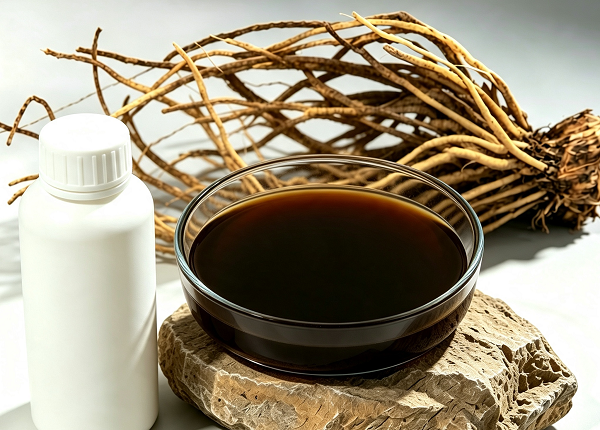
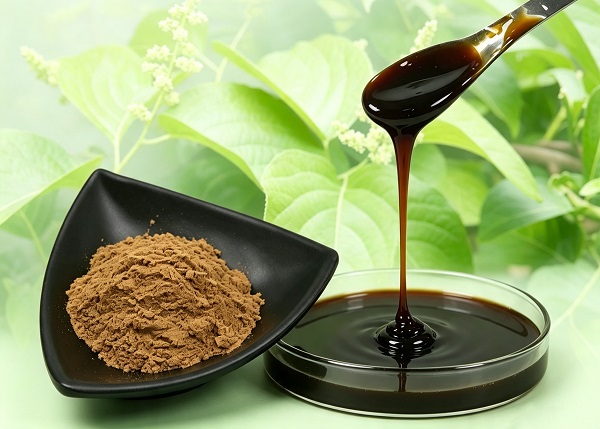
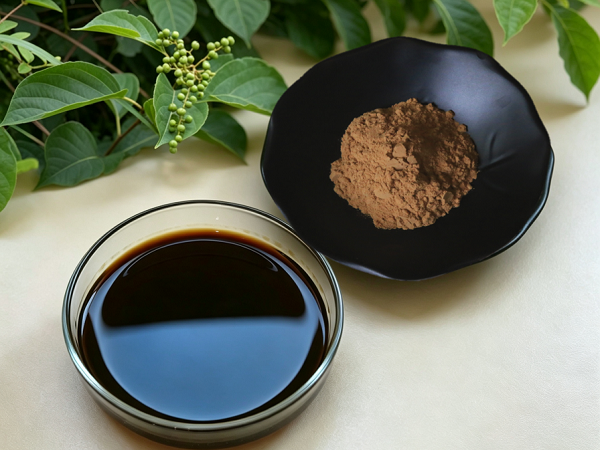
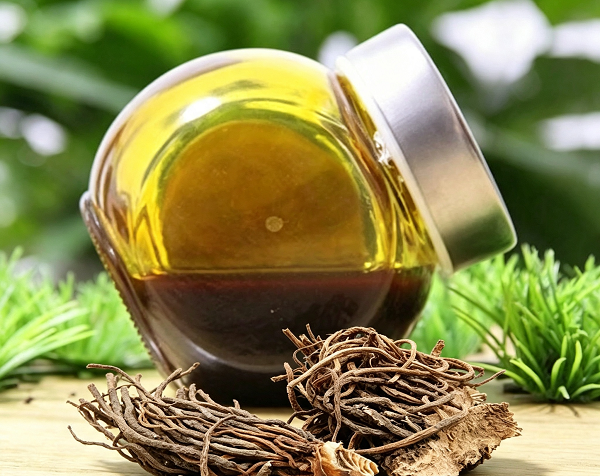
We supply bulk veratrine, 0.4%-3% (HPLC), a brownish-red liquid extracted from the dried rhizomes of Veratrum nigrum, with 5000KG in stock.
Contact us today to request COA, samples, or a customized quotation.
References
Ujváry, I. (2010). Chemical Control of Insect Pests: Botanical Insecticides. Insectology Research Press.
Bloomquist, J. R. (1996). Ion Channels as Targets for Insecticides. Annual Review of Entomology, 41(1), 163-190.
Copping, L. G., & Duke, S. O. (2007). Natural Products that Have Been Used as Pesticides. Pest Management Science, 63(6), 524-554.
Narahashi, T. (2002). Neuroreceptors and Ion Channels as Targets of Insecticides. NeuroToxicology, 23(4-5), 605-615.
Isman, M. B. (2006). Botanical Insecticides, Essential Oils, and Plant Extracts in Agriculture. Phytochemistry Reviews, 5(2), 115-122.