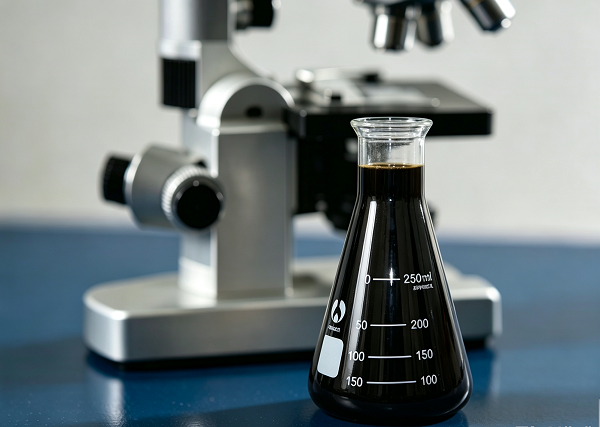
How to Test Rotenone Purity and Active Content Before Formulation
As a pesticide manufacturer or formulator, your product quality depends directly on raw material purity. Rotenone is a natural botanical compound sourced from Lonchocarpus and Derris roots. Because it originates from plant materials, natural variation occurs between batches. Testing rotenone purity before running commercial production lines protects your formulation integrity, saves costs, and prevents costly regulatory non-compliance.
This practical guide breaks down how to accurately measure raw rotenone material purity, verify active content, and set up robust quality checks before formulation.
Why Rotenone Purity Directly Impacts Formulation Performance
Raw material purity directly drives pesticide field performance, shelf-life stability, and regulatory compliance. If your incoming raw rotenone contains unexpected impurities or lower active content, your final emulsion or powder formulation will underperform in agricultural and aquaculture applications.
Undisclosed impurities can also cause unwanted chemical reactions within liquid concentrates. This degrades emulsifiers, accelerates chemical breakdown, and clogs spray nozzles in field equipment. By verifying batch purity upfront, you protect your production equipment, optimize raw material usage, and ensure consistent biological efficacy for your end customers.
Active Content vs. Total Rotenone: What You’re Actually Measuring
A common pitfall in pesticide manufacturing involves confusing active content with total rotenoid extract. Natural root extracts contain pure rotenone along with secondary rotenoids like deguelin, tephrosin, and rotenolone.
- Active Content (Pure Rotenone): Refers strictly to the primary active molecule responsible for strong mitochondrial inhibition.
- Total Rotenoids: Measures the combination of all related plant compounds present in the crude resin or powder.
When formulating commercial pesticides or fish-clearing agents, you must calculate active loading rates based on pure rotenone content, not total extract weight. Confusing these two values leads to under-dosed formulations that fail in the field.
Sampling Best Practices: Ensuring Representative Batch Samples from Bulk Shipments
Accurate testing begins with proper sampling protocols. Taking a quick surface sample from a bulk container yields misleading results because fine powders and botanical resins settle during transit.
Follow these best practices when sampling raw bulk orders:
- Use Multi-Point Sampling: Draw samples from the top, middle, and bottom of bulk bags or drums using a stainless steel sampling thief.
- Homogenize the Sample: Combine and thoroughly mix sub-samples in a sealed, dry container to create a unified composite sample.
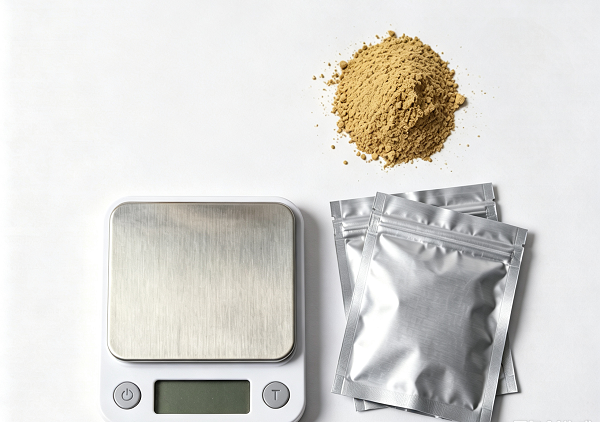
- Minimize Light and Air Exposure: Store test samples in amber glass bottles or sealed foil packs. Light and oxygen quickly degrade active rotenone.
- Label Clearly: Record lot numbers, container positions, and sampling dates immediately
HPLC Analysis for Accurate Rotenone Purity Quantification
High-performance liquid chromatography (HPLC) is a commonly used method for determining the purity of rotenone. The sample is dissolved, injected into the machine, and separated on a C18 column. A UV detector reads it at roughly 280 to 294 nanometers. You compare the peak to a certified standard, often following AOAC Method 983.06 as the reference. HPLC delivers precise, repeatable numbers and can flag related compounds. Modern systems reach results within roughly ten minutes per run, making them practical even for high-volume incoming inspection. Most quality labs trust it for batch release testing.
TLC and GC-MS for Impurity and Isomer Identification
HPLC is excellent for quantitative analysis, but other techniques can provide useful supporting information.
- Thin-Layer Chromatography (TLC): Provides a fast, cost-effective screening tool. Laboratory technicians use TLC for rapid qualitative identification upon raw material arrival.
- Gas Chromatography-Mass Spectrometry (GC-MS): Identifies unknown organic impurities and volatile degradation products. Because rotenone degrades at higher temperatures, technicians must derivatize samples or use mild injection techniques during GC-MS runs.
Titration and UV Spectrophotometry for Active Content Determination
When rapid analytical results are needed, alternative chemical methods offer quick answers.
- UV-Vis Spectrophotometry: Measures light absorption at $294 \text{ nm}$. While fast and affordable, it measures total rotenoid structures rather than isolating pure rotenone. Use this method primarily for fast preliminary screening.
- Gravimetric & Titrimetric Methods: Involve selective solvent extraction and precipitation steps. While useful in standard processing plants lacking HPLC systems, these methods require careful execution to avoid overestimating purity.
For high-value commercial formulations, always confirm preliminary spectrophotometric results with HPLC before starting batch blending.
Key Metrics to Include in a Supplier Certificate of Analysis (CoA) Verification
When a supplier sends a Certificate of Analysis, do not accept it at face value. Confirm that it lists active content, rotenone purity, moisture, loss on drying, and any stated impurities. Check the test method used, such as HPLC or AOAC 983.06. Look for the batch number, manufacturing date, and shelf life.
A complete CoA builds trust and creates a paper trail if a batch later fails your own tests. If the numbers look unusual, request a retest from an independent third-party lab before rejecting the lot.
Common Testing Errors in Rotenone Assay Analysis and How to Avoid Them
- The most common error is poor sampling, which we covered earlier.
- The second is light exposure during preparation, which degrades rotenone and lowers your result.
- The third is using an old or uncalibrated standard.
Always use a fresh, certified standard and calibrate your instrument daily. Keep samples cold and dark. These small habits separate reliable data from misleading numbers that lead to bad buying decisions.
Establishing In-House Quality Control Standards to Prevent Batch Failures
A strong QC program should define acceptance criteria before the material arrives.
Start with a written specification for identity, assay, impurities, physical properties, and other relevant parameters.
Then establish a sampling procedure for every incoming batch. Use a validated analytical method for routine assay testing.
It is also useful to compare rotenone supplier CoA results with internal test results. Significant differences should trigger an investigation rather than an automatic acceptance or rejection.
For bulk rotenone procurement, you can also monitor historical batch data. Tracking assay results over time helps identify changes in raw material consistency.
Get a Verified Sample Before You Formulate
Get a Verified Sample Before You Formulate
Please contact our technical team to request Rotenone samples and the complete COA, or download the specification sheets for our Rotenone powder and liquid rotenone to establish your own incoming inspection procedures. High-quality batches begin with certified raw materials.
References
- AOAC International. Official Method 983.06: Rotenone in Pesticide Formulations, Liquid Chromatographic Method. In Official Methods of Analysis of AOAC INTERNATIONAL (22nd ed.). AOAC International, Gaithersburg, MD.
- Bushway, R. J., Johnson, H., & Scott, D. W. (1985). Simultaneous Liquid Chromatographic Determination of Rotenone and Pyrethrins in Formulations. Journal of AOAC INTERNATIONAL, 68(3), 580–583.
- Food and Agriculture Organization (FAO) & World Health Organization (WHO). Specifications and Evaluations for Plant Protection Products: Rotenone. FAO/WHO Joint Meeting on Pesticide Specifications (JMPS), Rome.
- Collaborative International Pesticides Analytical Council (CIPAC). CIPAC Handbook: Analysis of Technical and Formulated Pesticides. CIPAC Ltd., Cambridge, UK.
- Rejesus, B. M., Punzalan, E. G., & Inocencio, E. L. (1995). Toxicity of rotenone, derris crude extracts and its formulations against agricultural insect pests. National Crop Protection Center, University of the Philippines Los Baños.
- Zhang, P., Qin, D., Chen, J., & Zhang, Z. (2020). Plants in the Genus Tephrosia: Valuable Resources for Botanical Insecticides. Insects, 11(10), 721.