Please send me an email

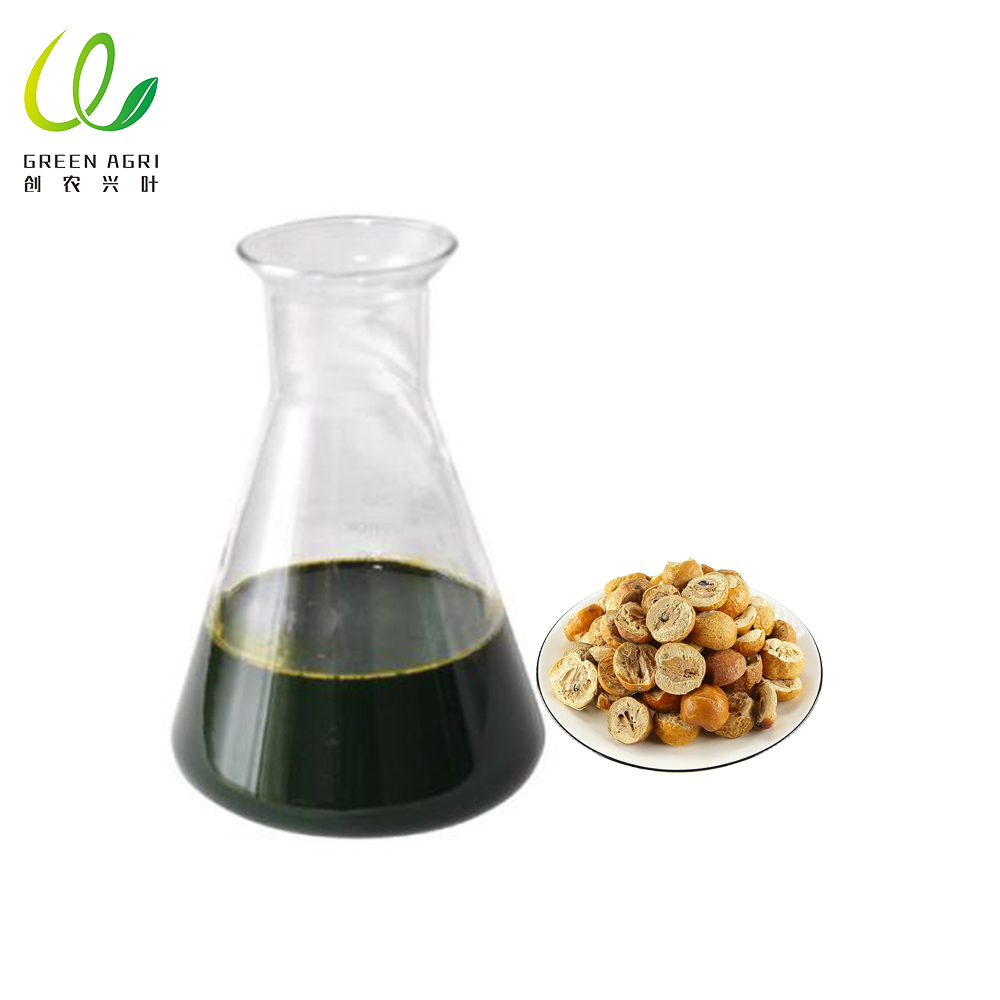
Product Name: Bulk Toosendanin Powder
Other Name: Toosendanin 2%, Melia toosendanin, Melia toosendan extract
Specification: 2%
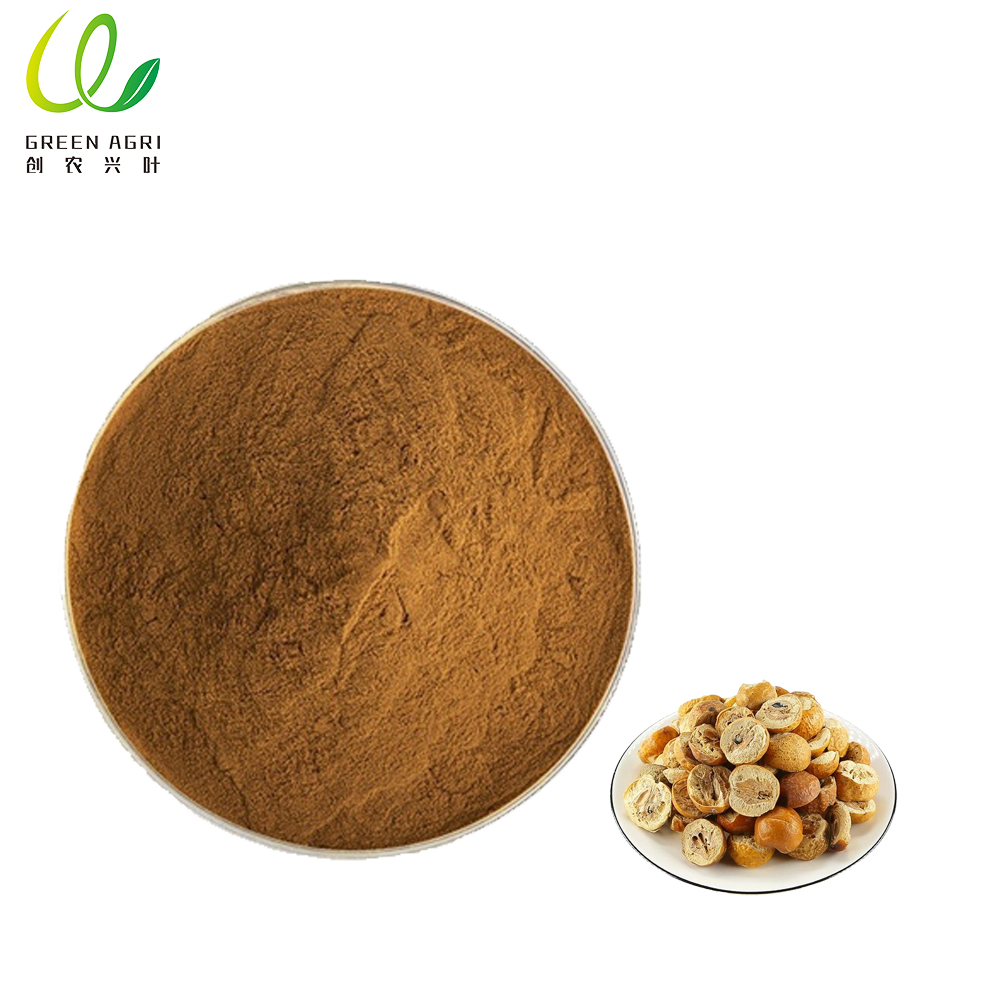
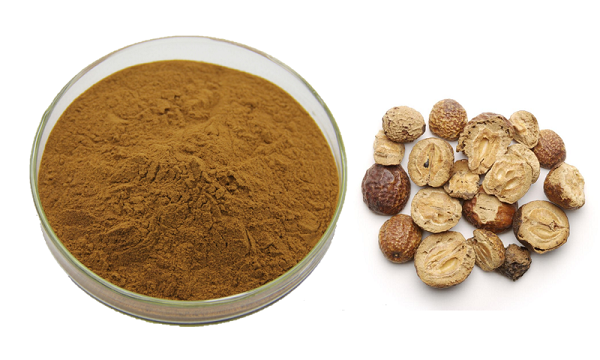
Appearance: Brownish-Yellow Fine Powder
Test Method: HPLC
Certifications: ISO
In Stock: 5000Kg
Standard: Enterprise Standard
Package: 25Kg/Drum or Custom Required
Application: Pesticides, insecticides
Advantages:20 Year’s produce experience, Independent Laboratory, Guaranteed After-Sales Service;
Toosendanin powder is a purified natural compound derived from the dried fruits of Melia toosendan, a plant traditionally used in East Asia and classified within the Meliaceae family. Toosendanin is a triterpenoid compound that researchers commonly use in natural insecticides, pharmaceuticals, and biochemical research. It functions as a stomach poison and growth inhibitor, effectively targeting aphids, caterpillars, and beetles without leaving persistent environmental residues.
Green Agri supplies bulk toosendanin, a brownish-yellow fine powder, 2%, HPLC tested, it is readily soluble in organic solvents such as ethanol and acetone, and slightly soluble in water. This product is primarily used as a raw material in the research and formulation of agricultural biological pesticides, as well as in the research of raw materials for some insect repellent products. Store the product at room temperature in a sealed, light-protected container. Keep it in a cool, dry place and avoid exposure to moisture..
| Item | Specification |
| Product Name | Toosendanin Powder |
| Botanical Source | Melia toosendan Fruit |
| Active Ingredient | Toosendanin |
| Specification | 2% |
| Test Method | HPLC |
| Appearance | Brownish-Yellow Fine Powder |
| Extraction method | Solvent extraction |
| Solubility | Slightly soluble in water, soluble in organic solvents |
| Storage | Store in a cool, dry place, protected from light |
| Shelf Life | 24 months when properly stored |
| Packaging | 25 kg/drum |
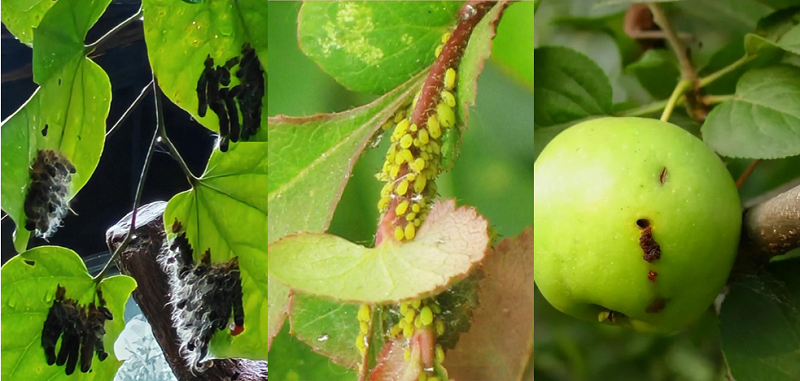
One of the most important applications of toosendanin is in botanical pesticide development. It possesses insecticidal and antifeedant activities against a variety of agricultural pests. By influencing insect feeding behavior and the nervous system, toosendanin helps reduce crop damage. Therefore, manufacturers frequently use toosendanin
powder as an active ingredient or intermediate in plant-derived insecticide products.
Research institutions and agrochemical companies often use toosendanin powder as a reference compound in pest control research.
Choose GREEN AGRI as your toosendanin powder supplier and get 5000KG stock immediately. Bulk purchases are more favorable. We deeply understand your needs and always focus on innovation to provide customized solutions to help you stay ahead of the competition. Contact us now.
GREEN AGRI is a botanical pesticide materials with 20 years of experience. We specialize in producing high-quality bulk toosendanin powder for sale. You can contact us to wholesale toosendanin powder.
Products Guarantee:
Service:

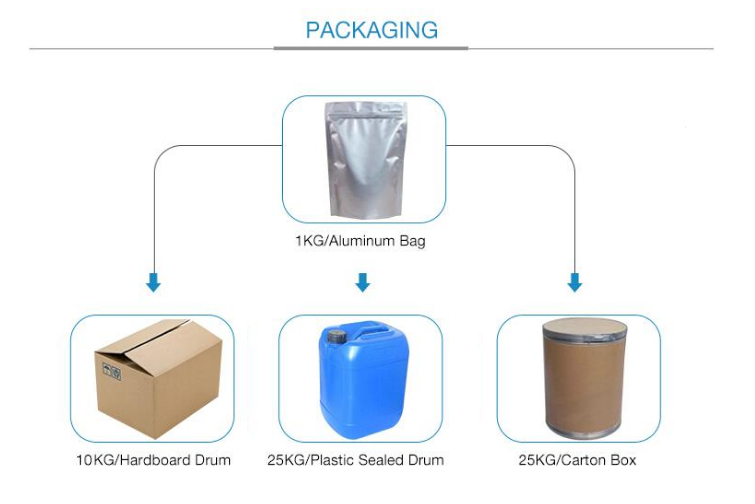
Toosendanin powder packaging plays a crucial role in preserving the product’s freshness, quality, and shelf life. Consider the following packaging features:
| Packaging Details | 25kg/Drum, According to your requirements |
| Port | China main port |
| Supply Ability | 5000 Kilogram/Kilograms per Month |
| Quantity (kilograms) | 1-500 | >500 |
| Lead time (days) | 5 | To be negotiated |
Reference
Carpinella, M. C., Defago, M. T., Valladares, G., & Palacios, S. M. (2003). Antifeedant and insecticide properties of a limonoid from Melia azedarach (Meliaceae) with potential use for pest management. Journal of Agricultural and Food Chemistry, 51(2), 369–374.
Ma, Z., Gulia-Nuss, M., Zhang, X., & Brown, M. R. (2013). Effects of the botanical insecticide, toosendanin, on blood digestion and egg production by female Aedes aegypti (Diptera: Culicidae): Topical application and ingestion. Journal of Medical Entomology, 50(1), 112–121.
Shi, Y. L., & Li, M. F. (2007). Biological effects of toosendanin, a triterpenoid extracted from Chinese traditional medicine. Progress in Neurobiology, 82(1), 1–10.